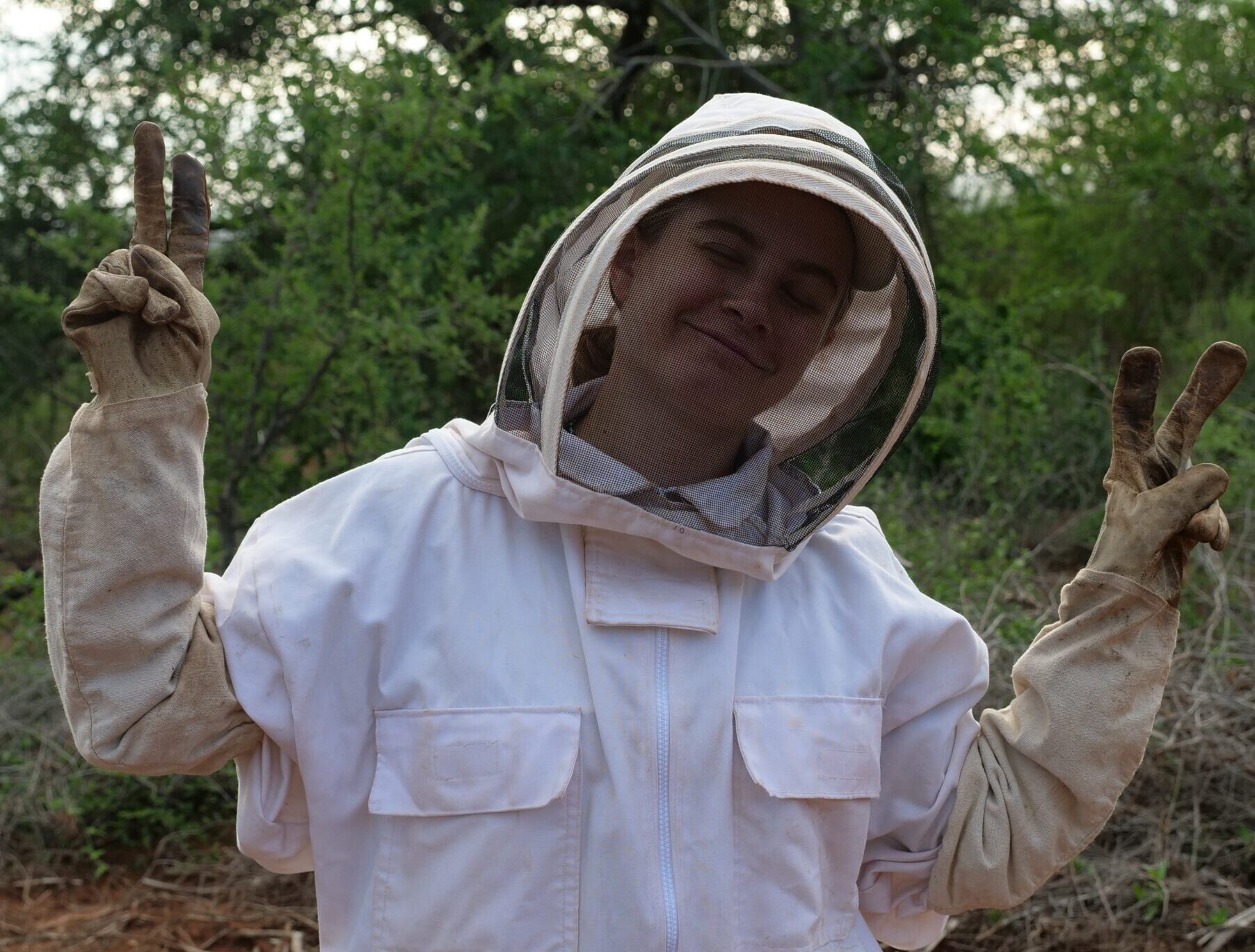
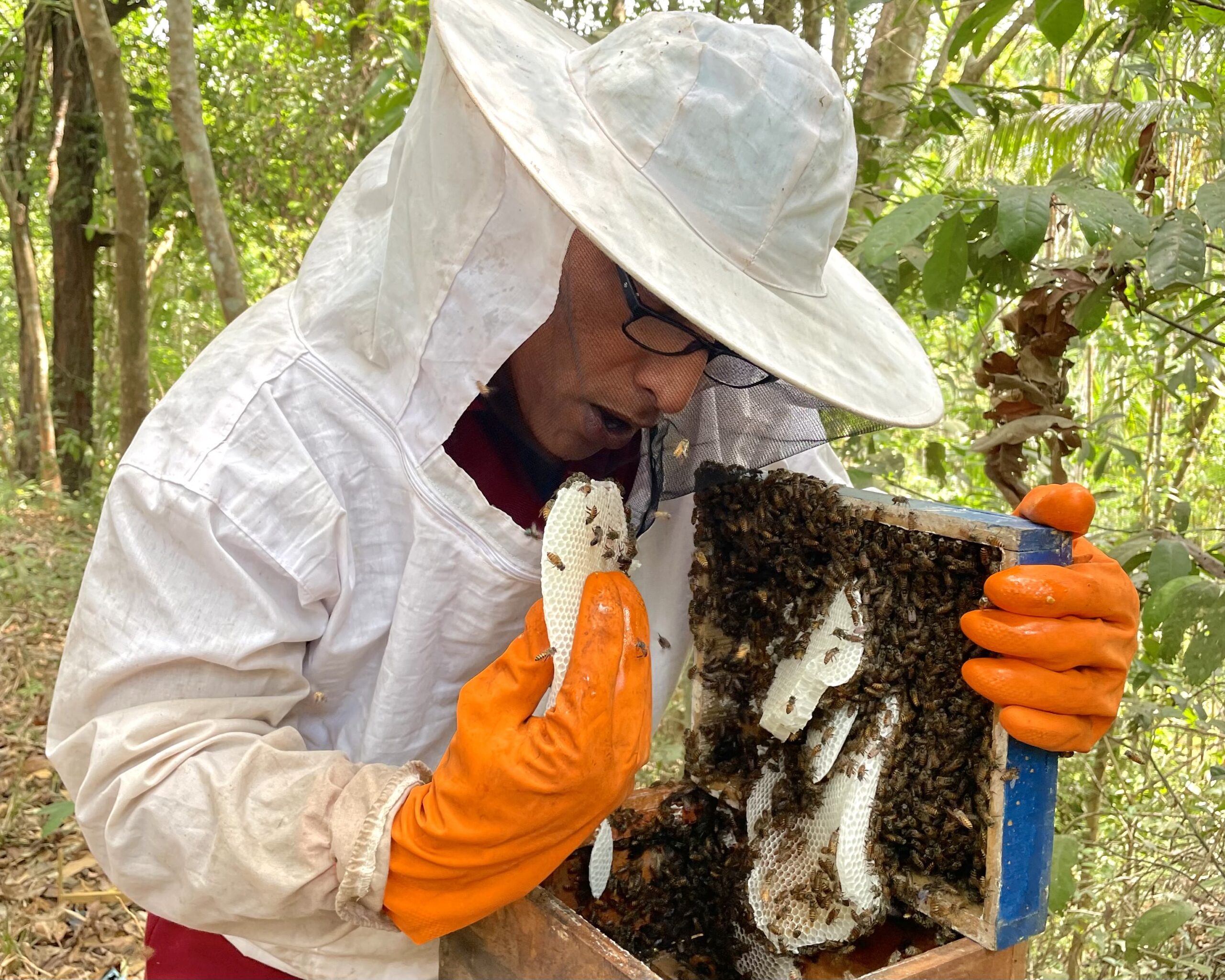
Hi, I’m Kass Wojcik! My love of the outdoors and biology came from a childhood spent exploring the woods and waters of where I grew up in the northeastern U.S. I started keeping bees with my family in high school, and my passion for both bees and biology have taken me to where I am today. You can read about my path through research and fieldwork below.
WHERE IT ALL STARTED
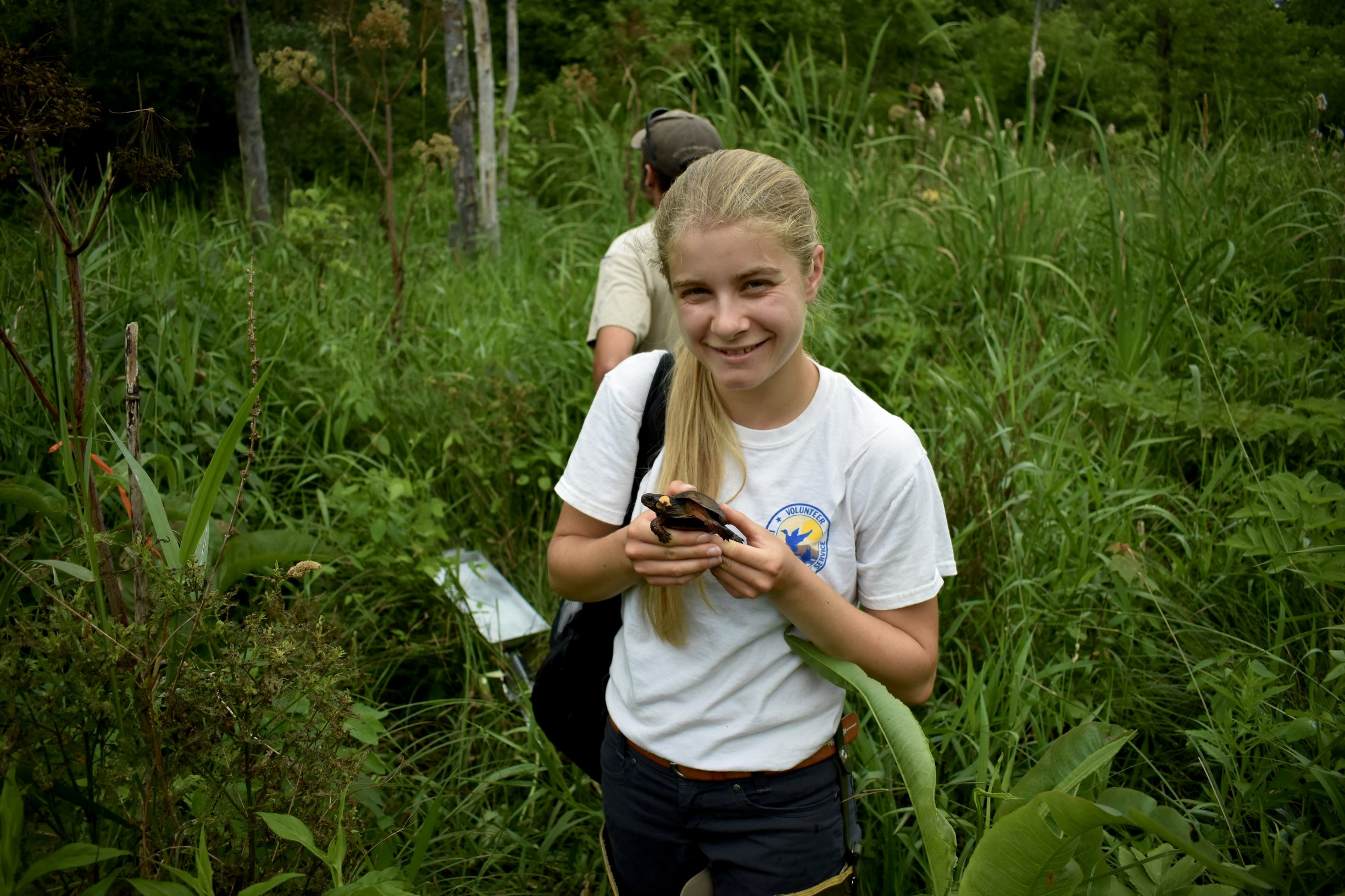
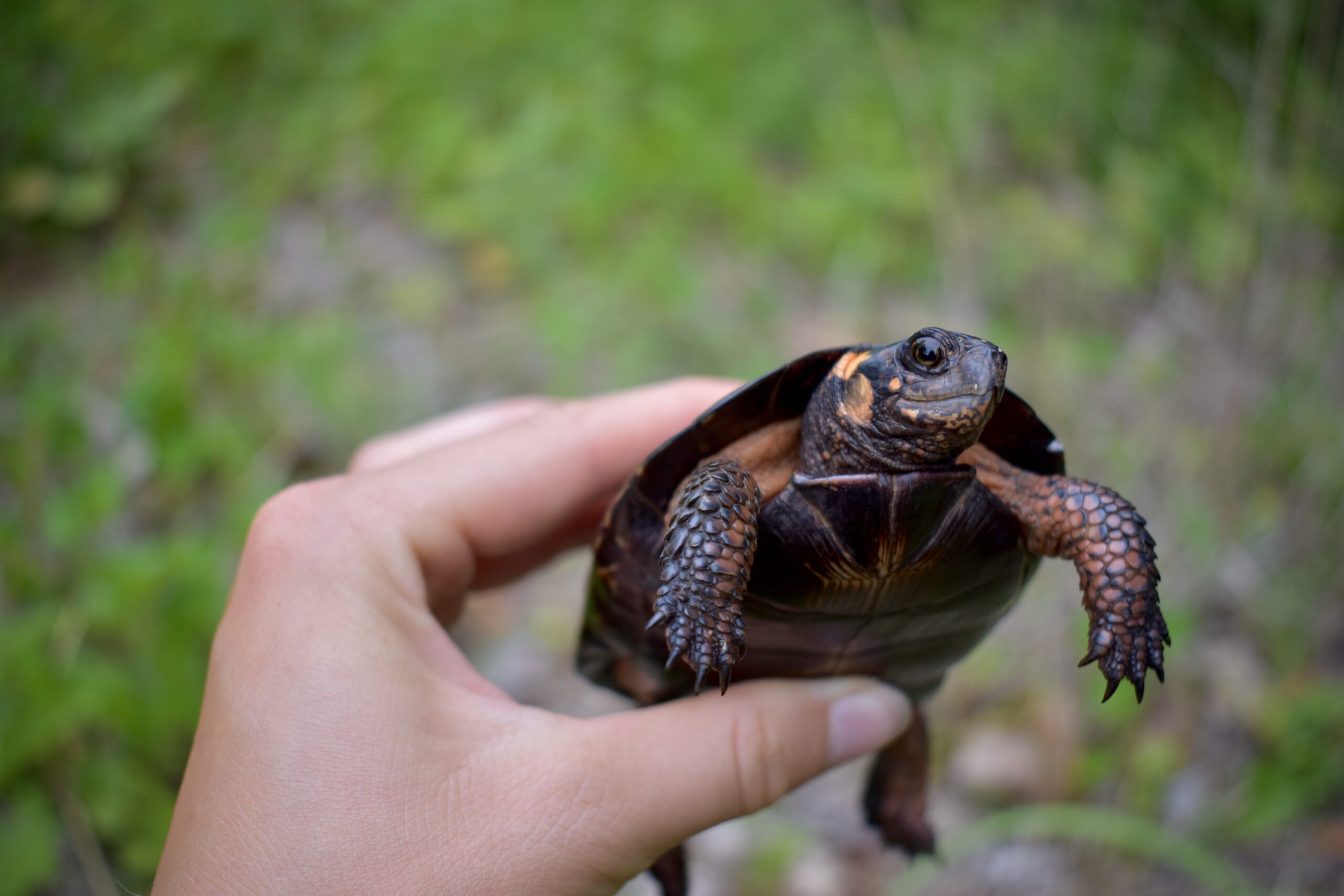
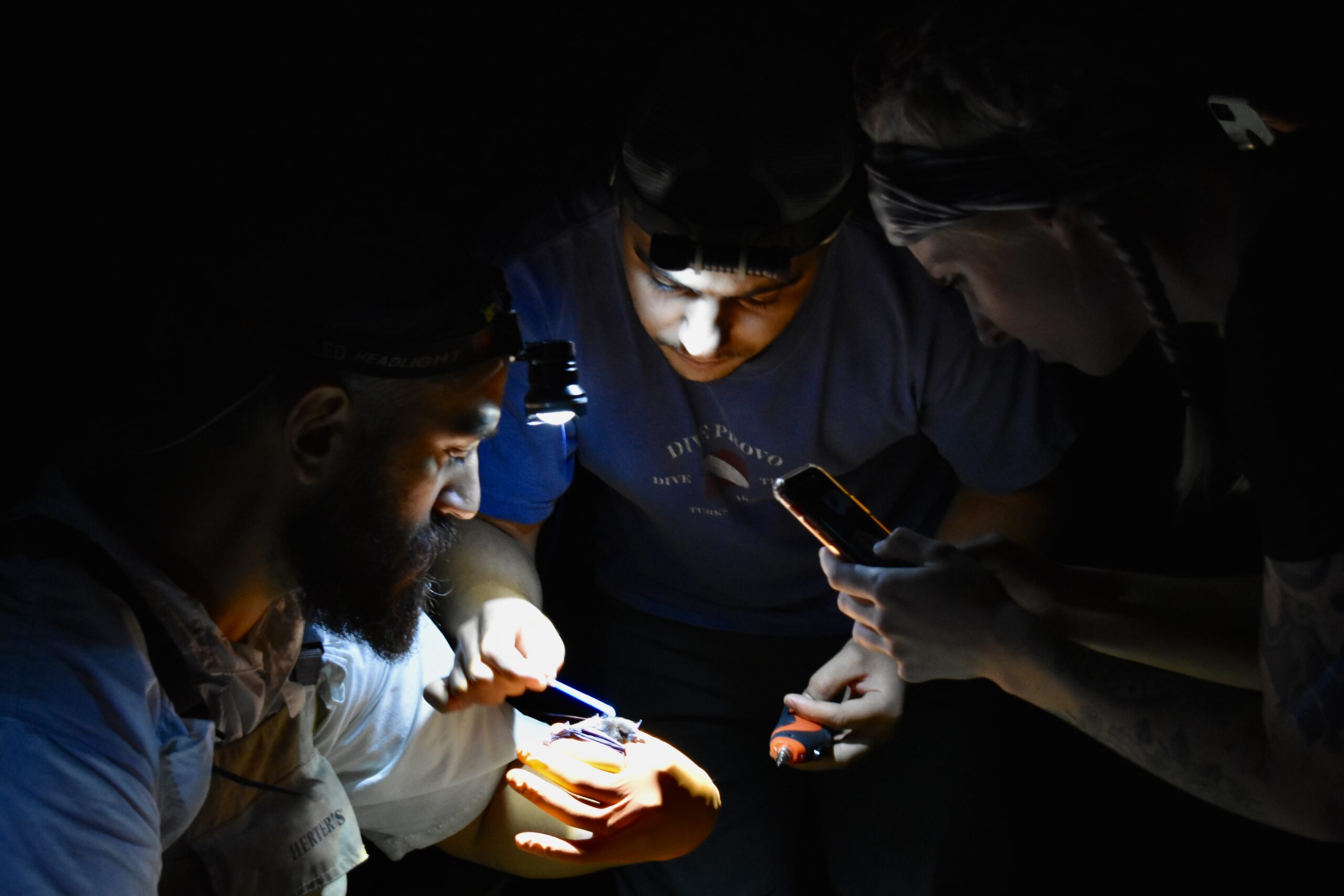
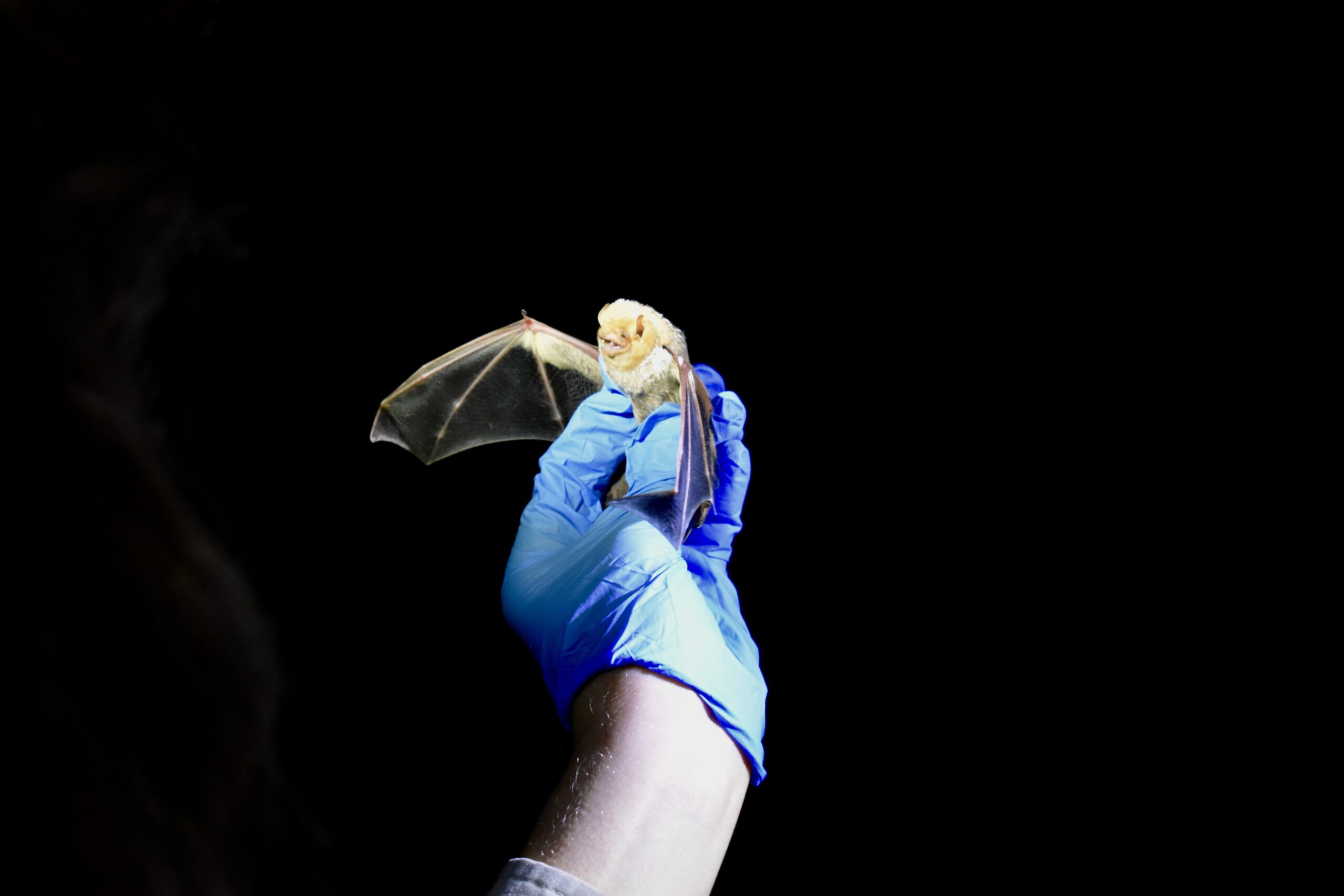
My interest in the natural world led me to study biology in college, and I spent the summer before my sophomore year interning for the U.S. Fish and Wildlife Service at a wildlife refuge near where I grew up in northwest New Jersey. It was my first foray into field biology, and I spent the summer tracking turtles, surveying for birds, mist-netting bats, restoring degraded habitat, creating maps for controlled burns, and leading public outreach events. It was a great first field experience that exposed me to many aspects of fieldwork and data collection.
Marsh madness
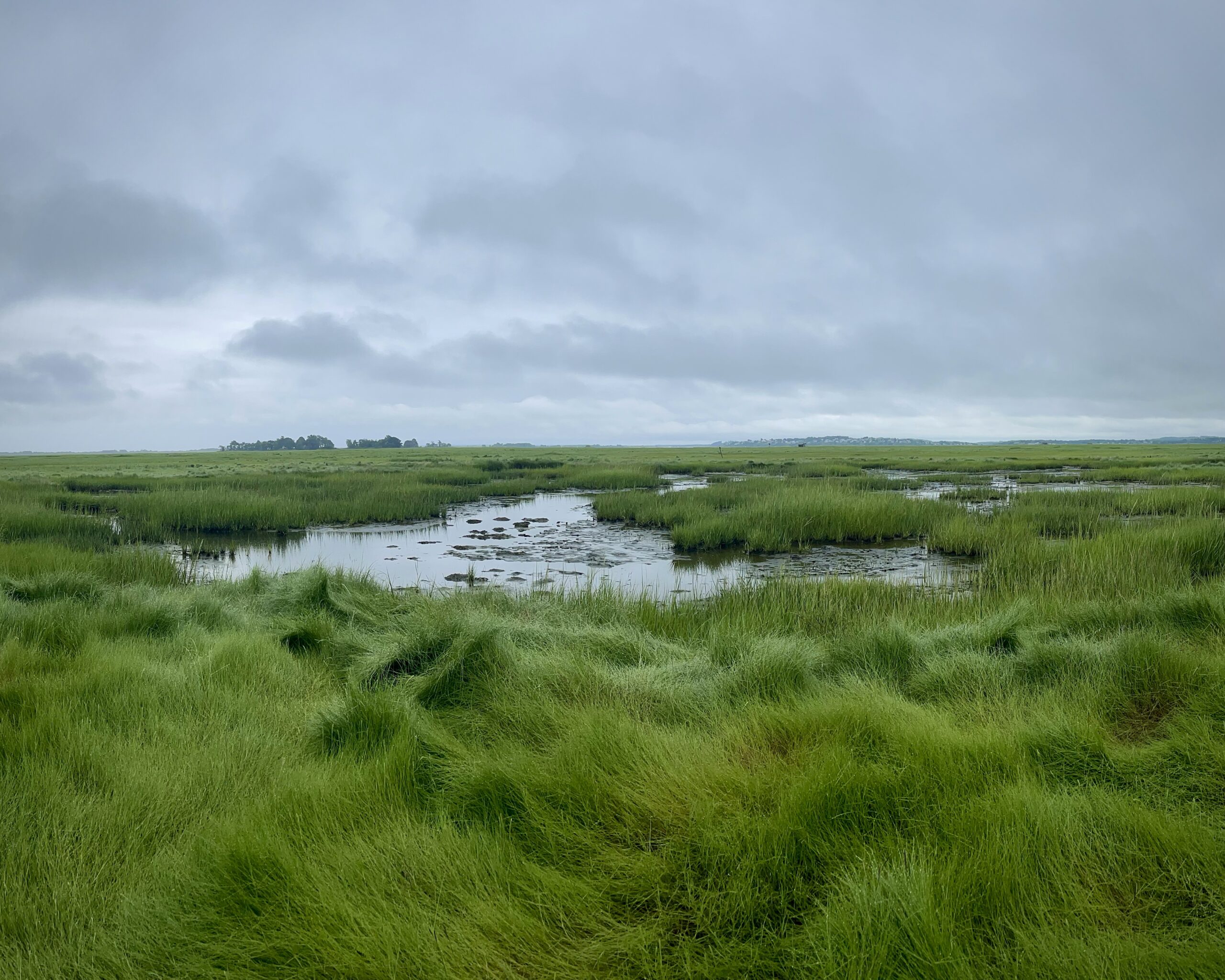
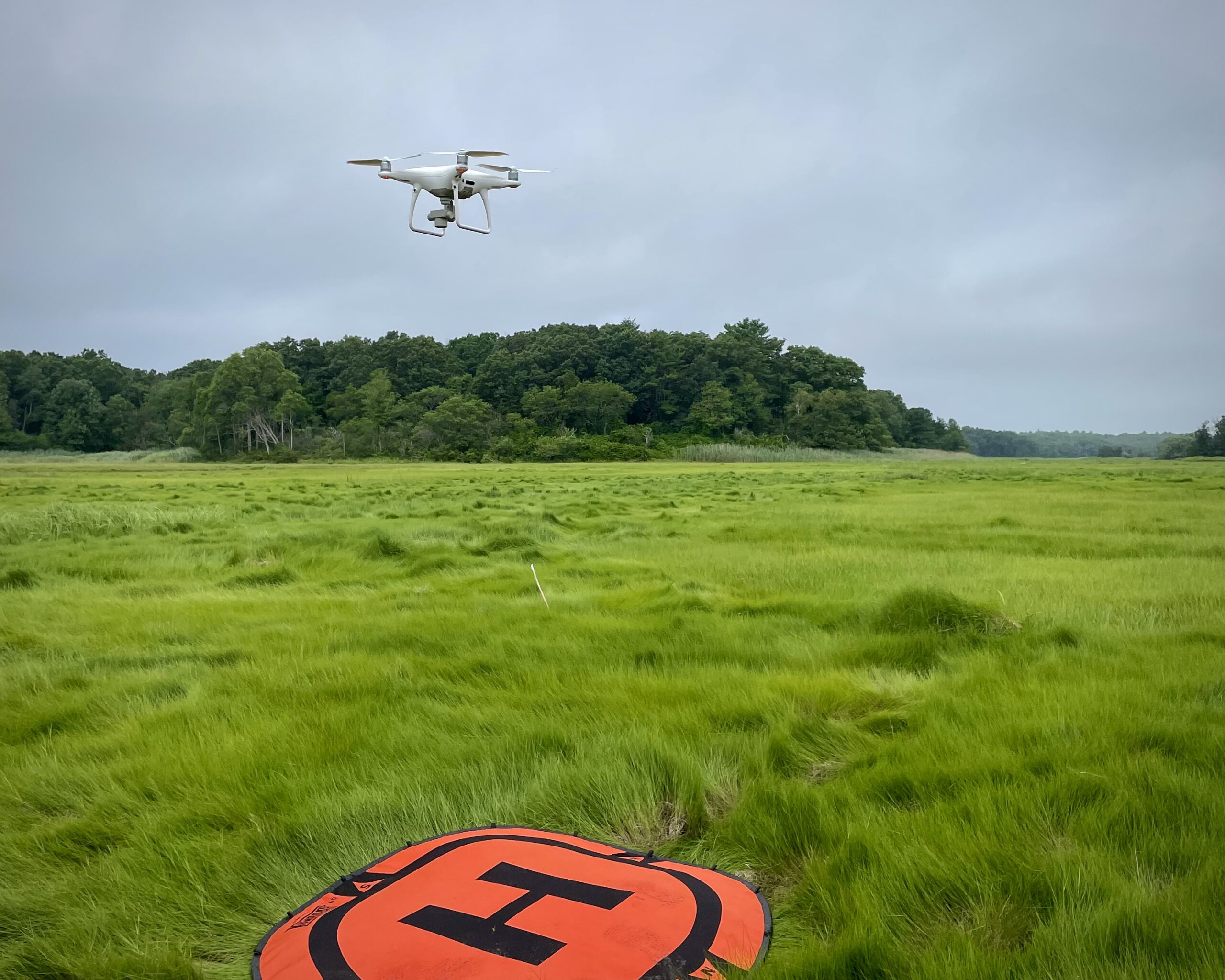
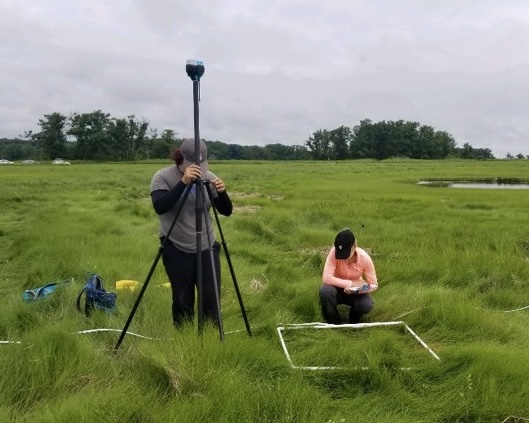
For the next two summers, I worked as student researcher in the ecology lab of Dr. Thomas Mozdzer. With the help of Dr. Mozdzer, I developed an Honors thesis studying if species classification maps created from drone imagery can be used to accurately characterize plant communities in a northeast salt marsh. Although my fieldwork was shortened by COVID, I did get to spend the summer before my senior year at the Plum Island Ecosystem Long Term Research Station (PIE LTER) in Massachusetts taking aerial photos, collecting grass samples, and doing percent cover surveys. I spent the rest of my senior year analyzing the data and creating species classification maps using ArcGIS and machine learning. I had never done work like that before, and I found it to be both challenging and rewarding.My results showed that drones can create maps of northeast salt marsh plant communities with an accuracy on par with studies done on marshes in the southeast, and that they can potentially be used to see how northeast salt marshes are changing over time.
sETTING SAIL
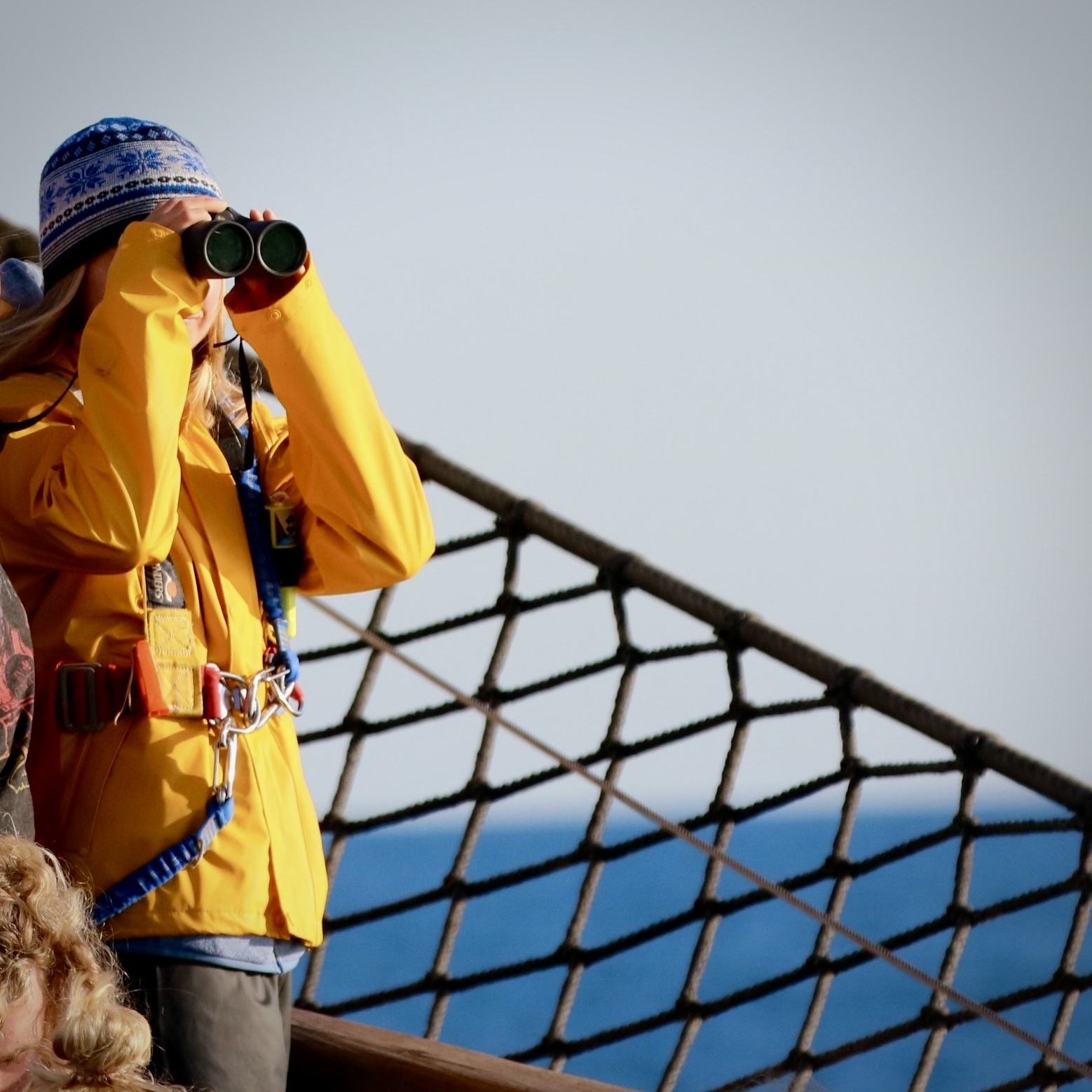
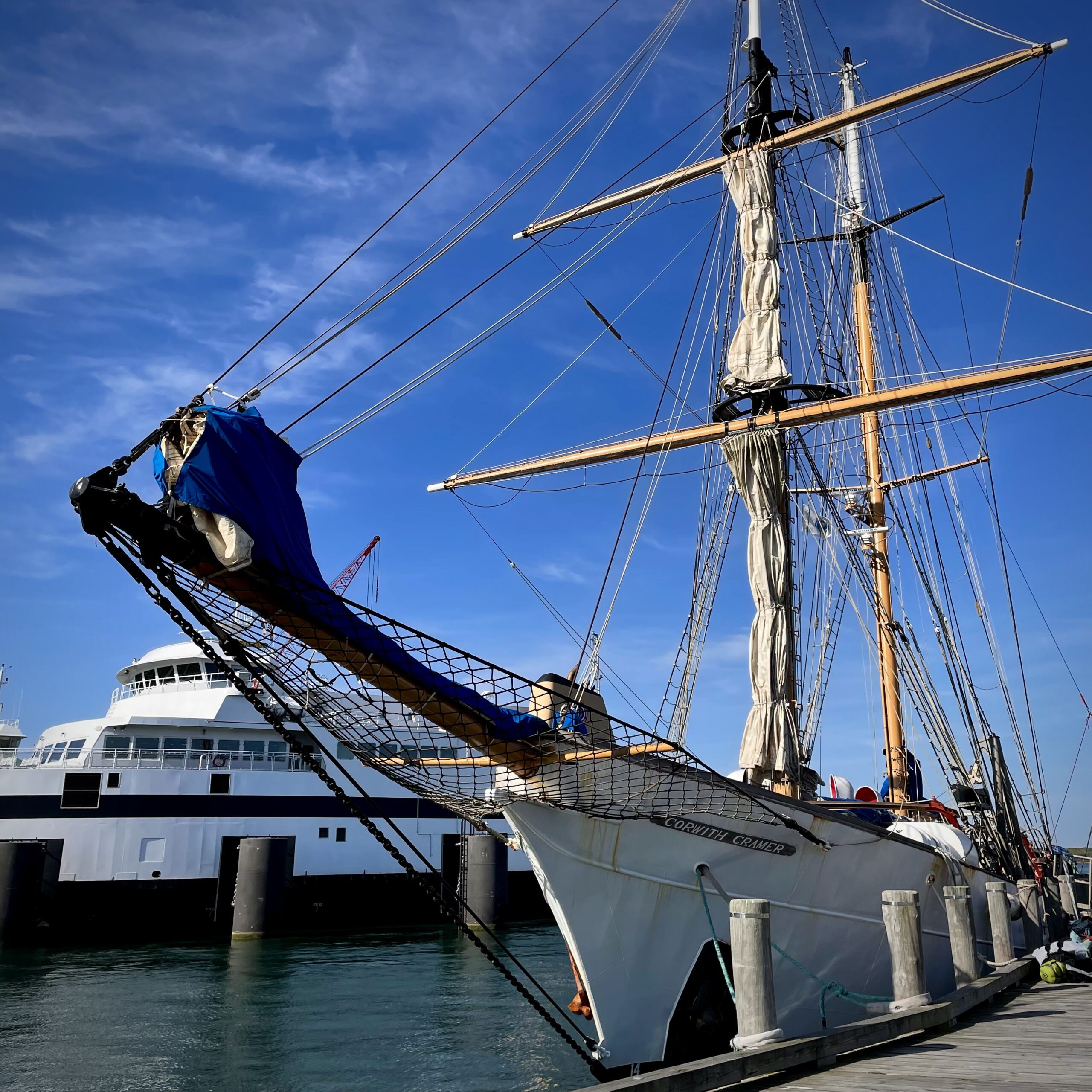
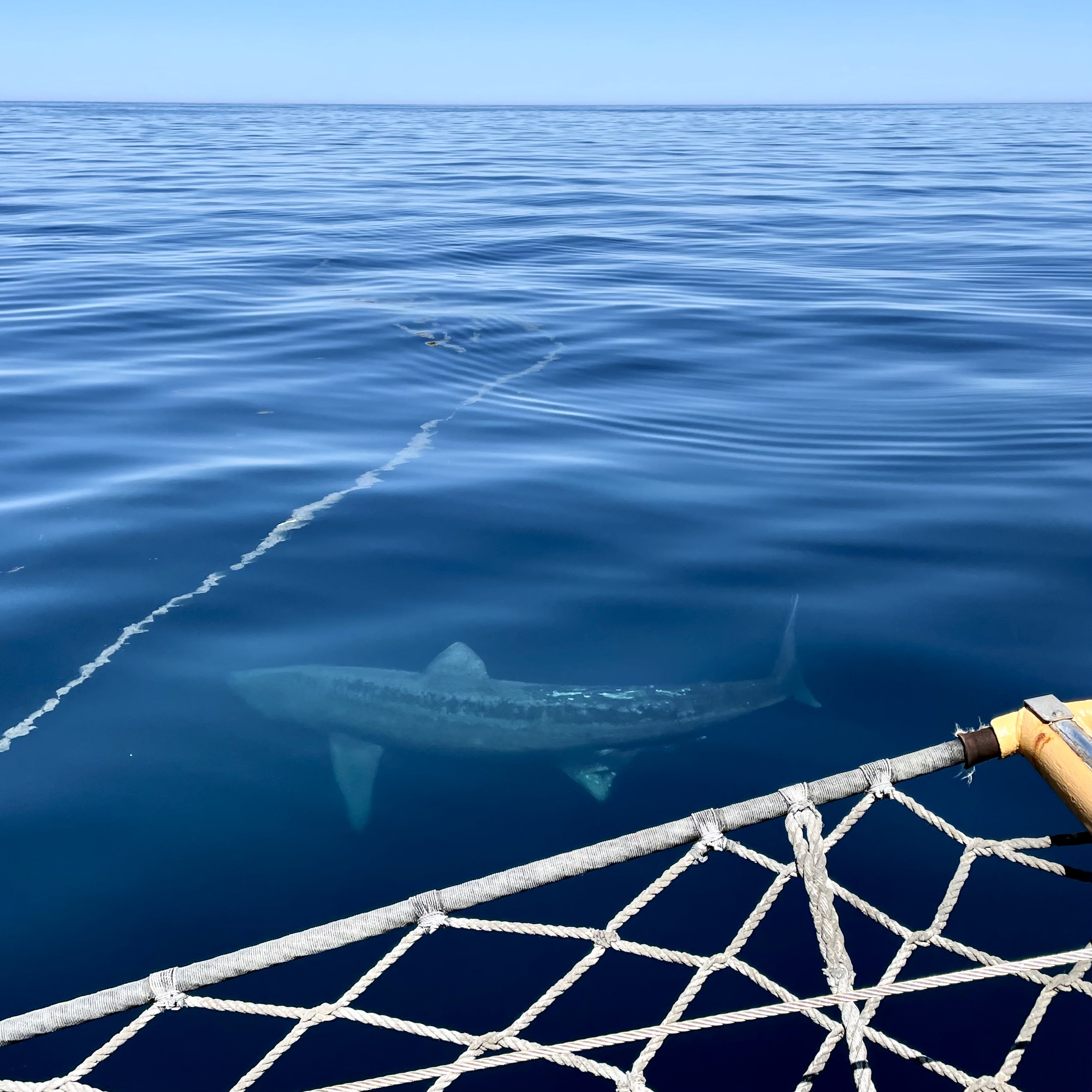
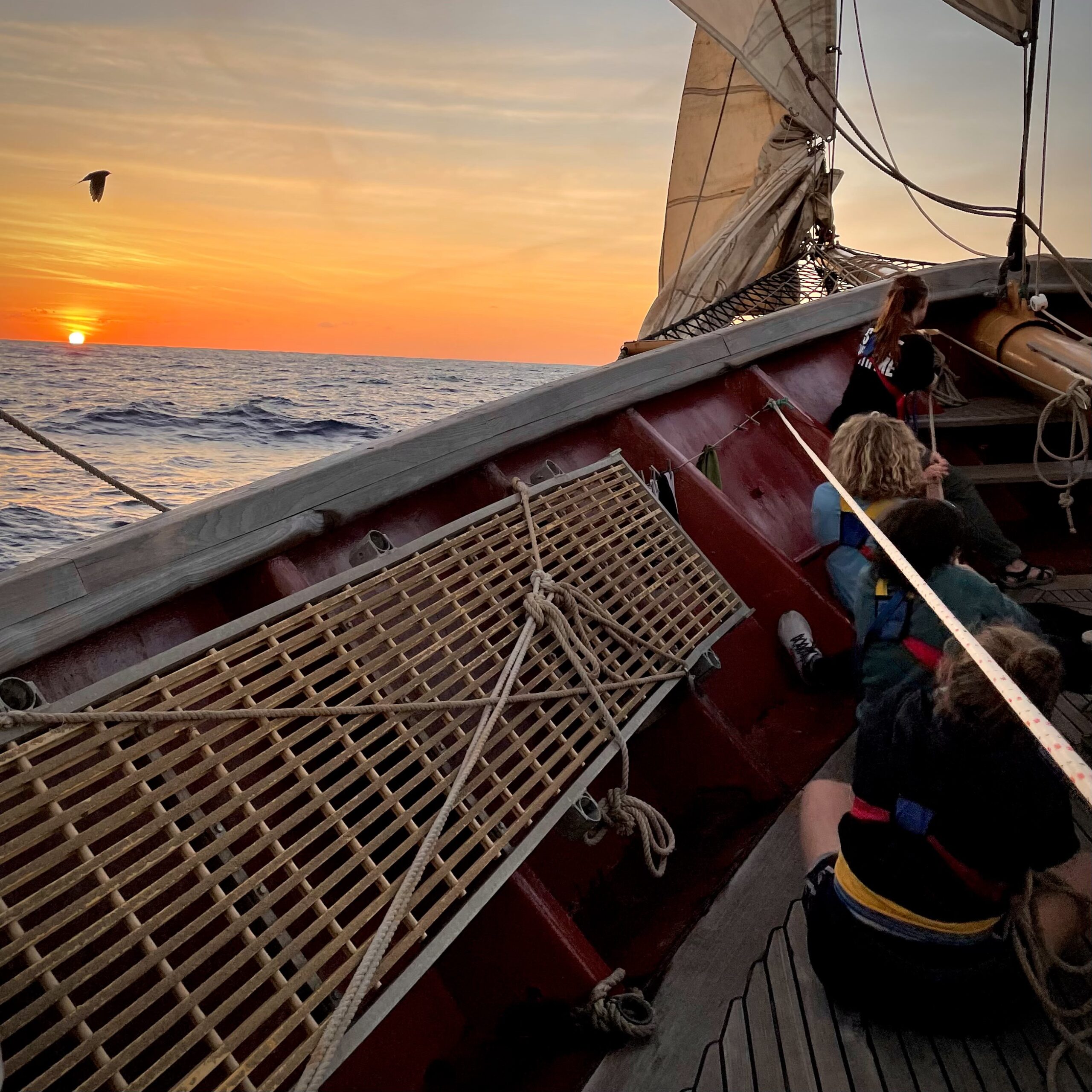
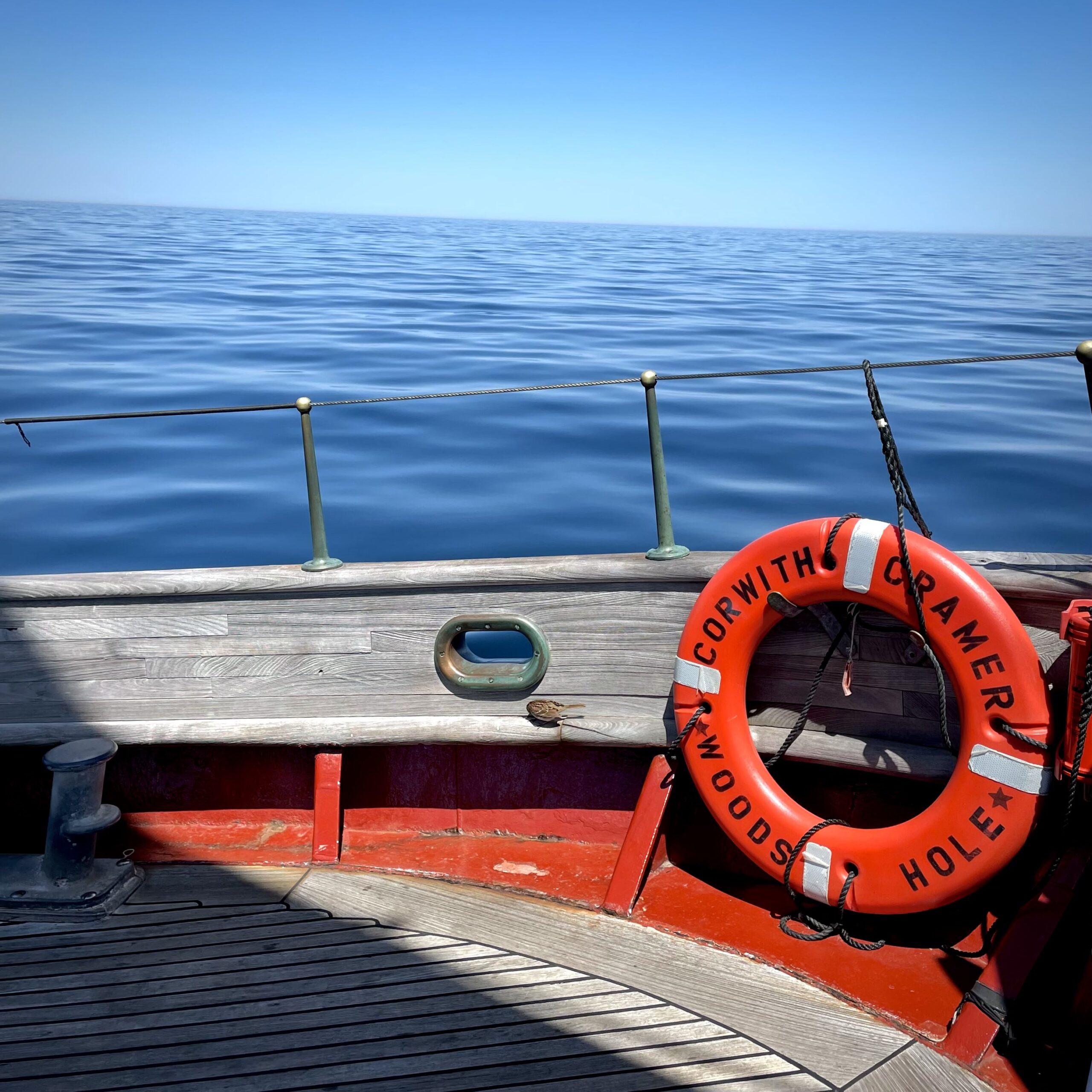
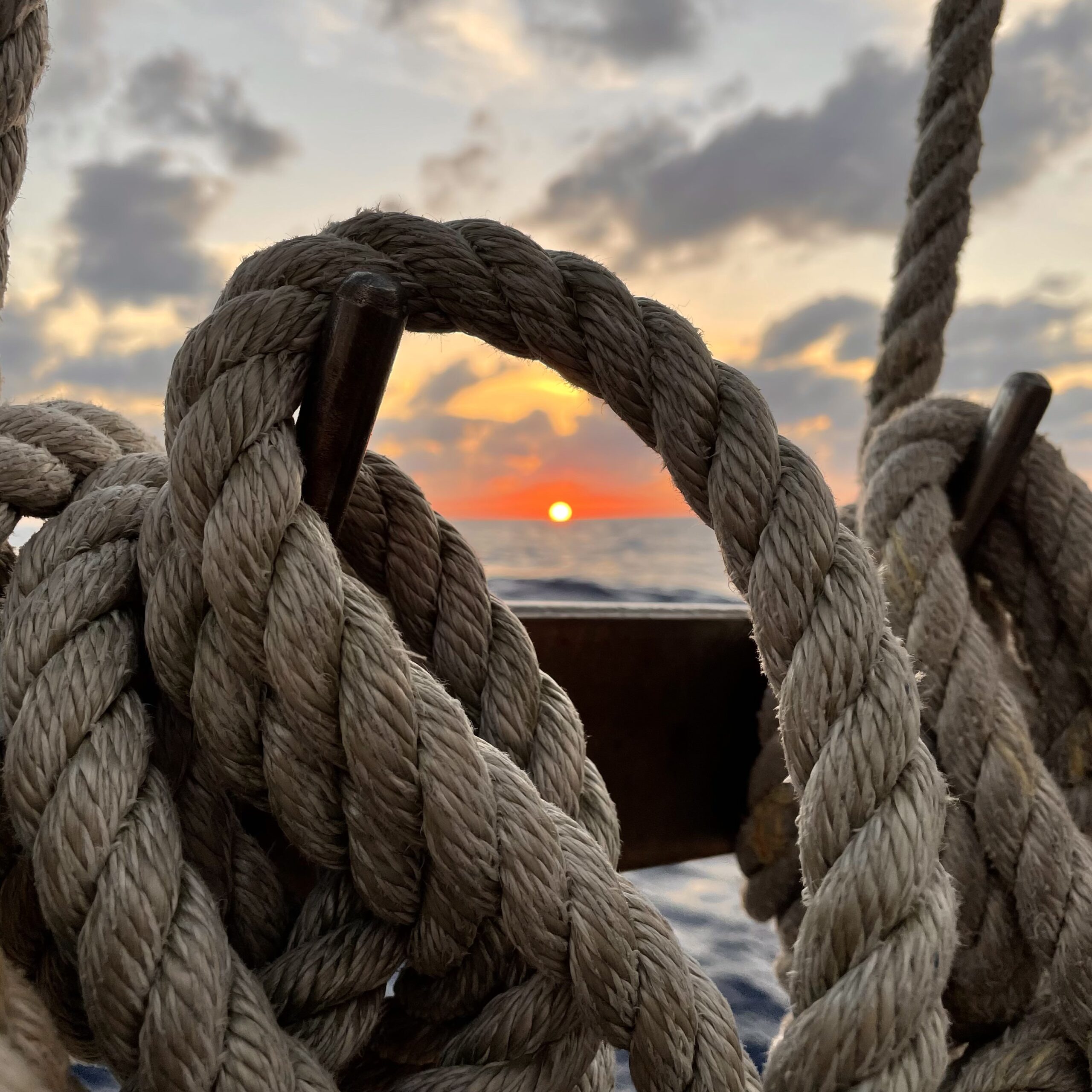
I had wanted to study abroad in New Zealand during the spring of my junior year but COVID hit before that. Since I wasn’t able to travel abroad, I decided to enroll in a domestic study away program and spent my spring semester doing SEA Semester’s Marine Biodiversity and Conservation Program in Woods Hole Massachusetts. My 24 classmates and I spent the first couple of weeks taking marine biology classes and developing group projects, and then we spent 5-weeks sailing from St. Petersburg Florida back up to Woods Hole on the 134-foot long, two-mast sailing ship, the SSV Corwith Cramer. While onboard, I was a student, crewmember, and researcher. I spent 6 hours a day (or night) on duty as a crew or lab member helping to navigate, set sails, deploy scientific instruments, and collect samples and data. I also worked on my independent project which was about studying seabird diversity and abundance along our cruise track. Being at sea for over a month was one of the hardest things I’ve ever done but also one of the most incredible!
A WANDERING BEELINE
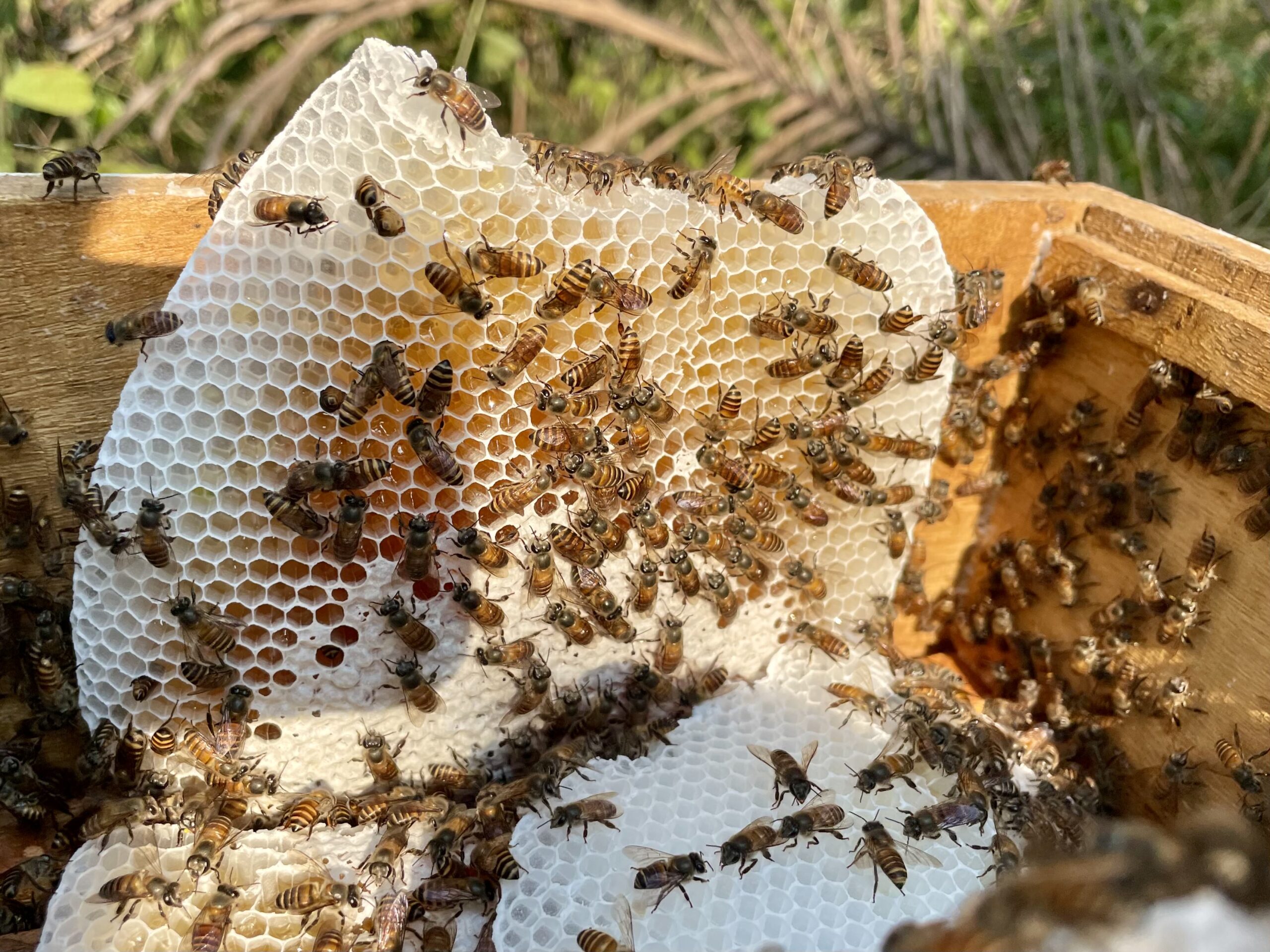
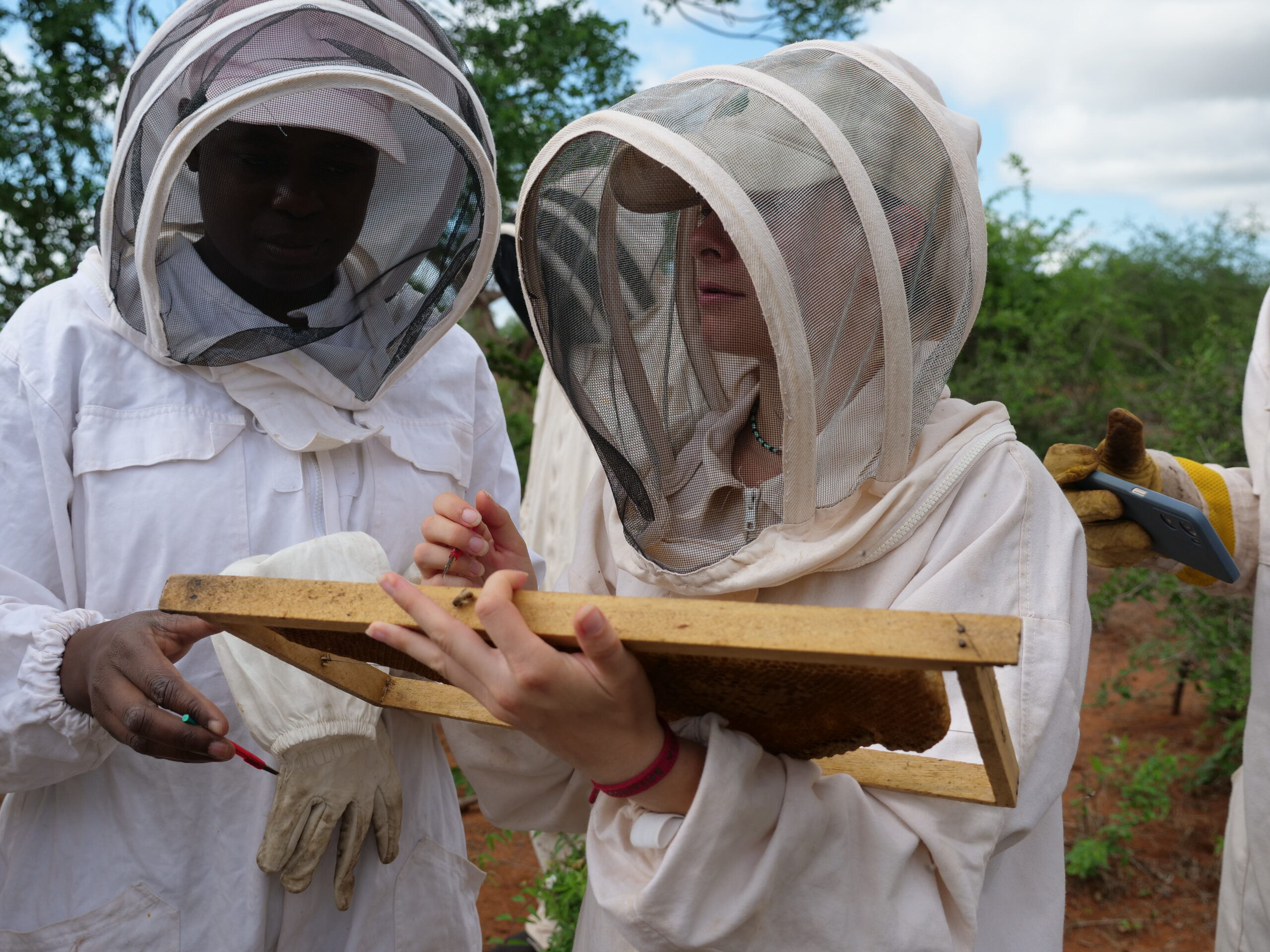
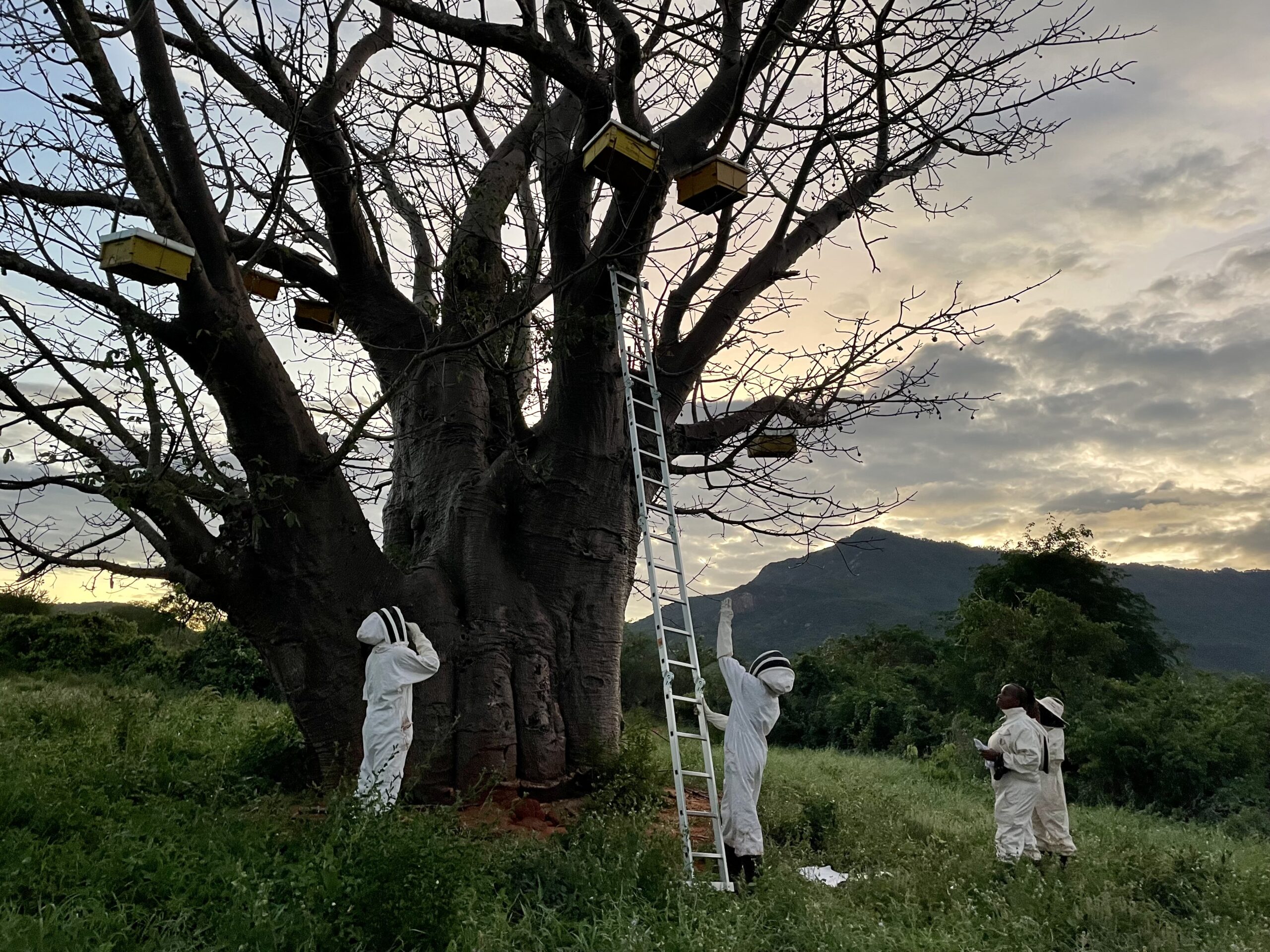
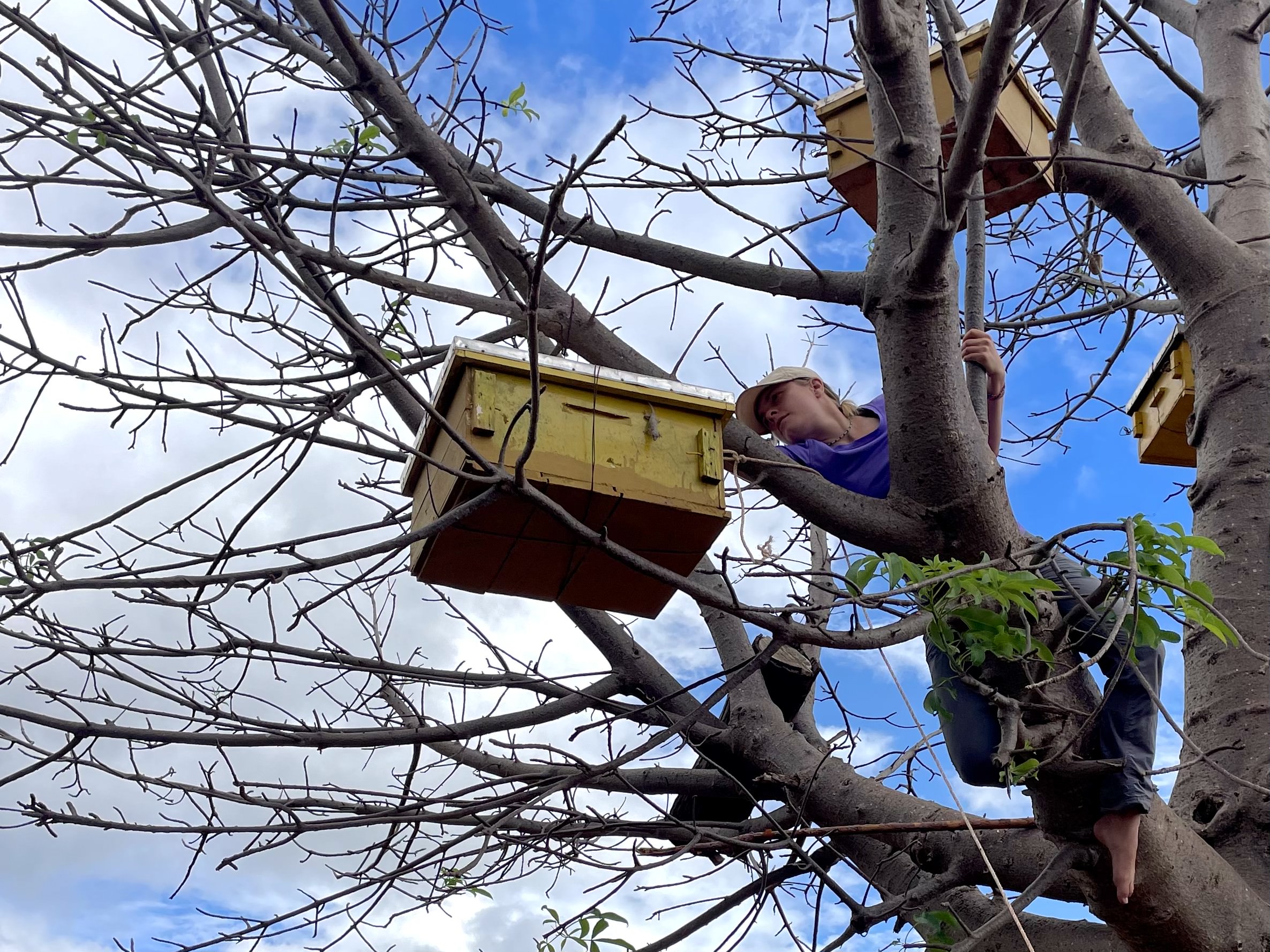
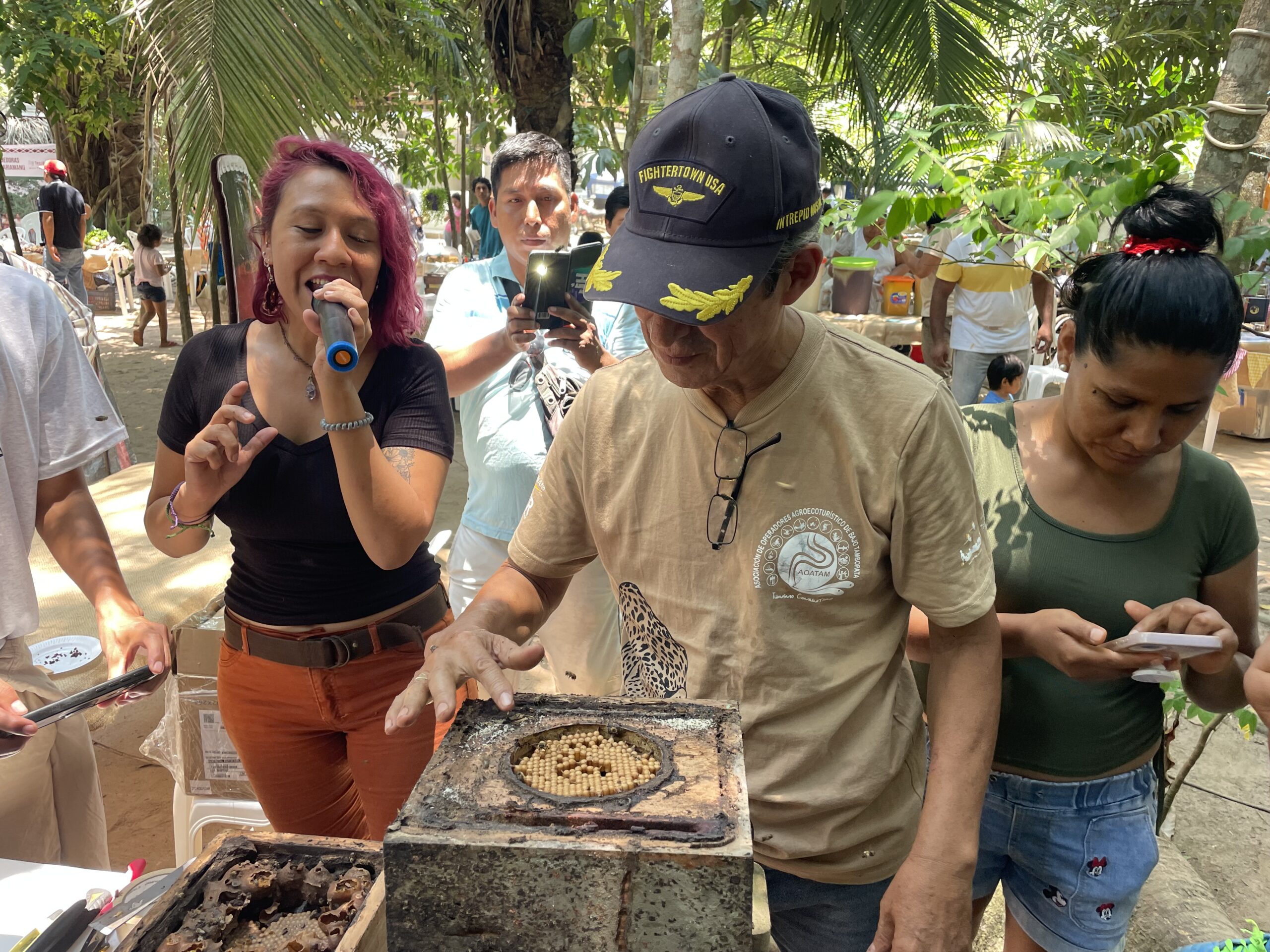
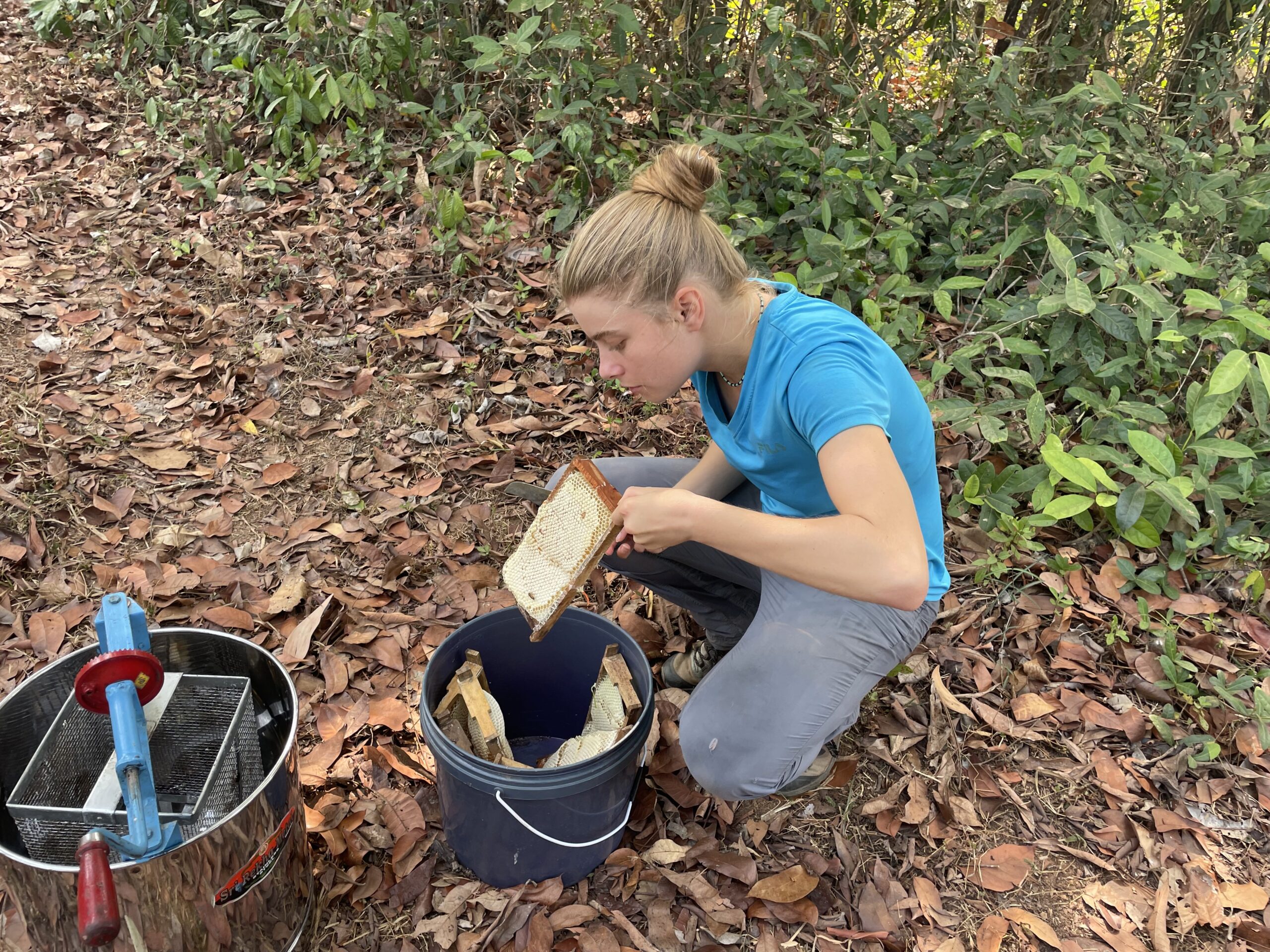
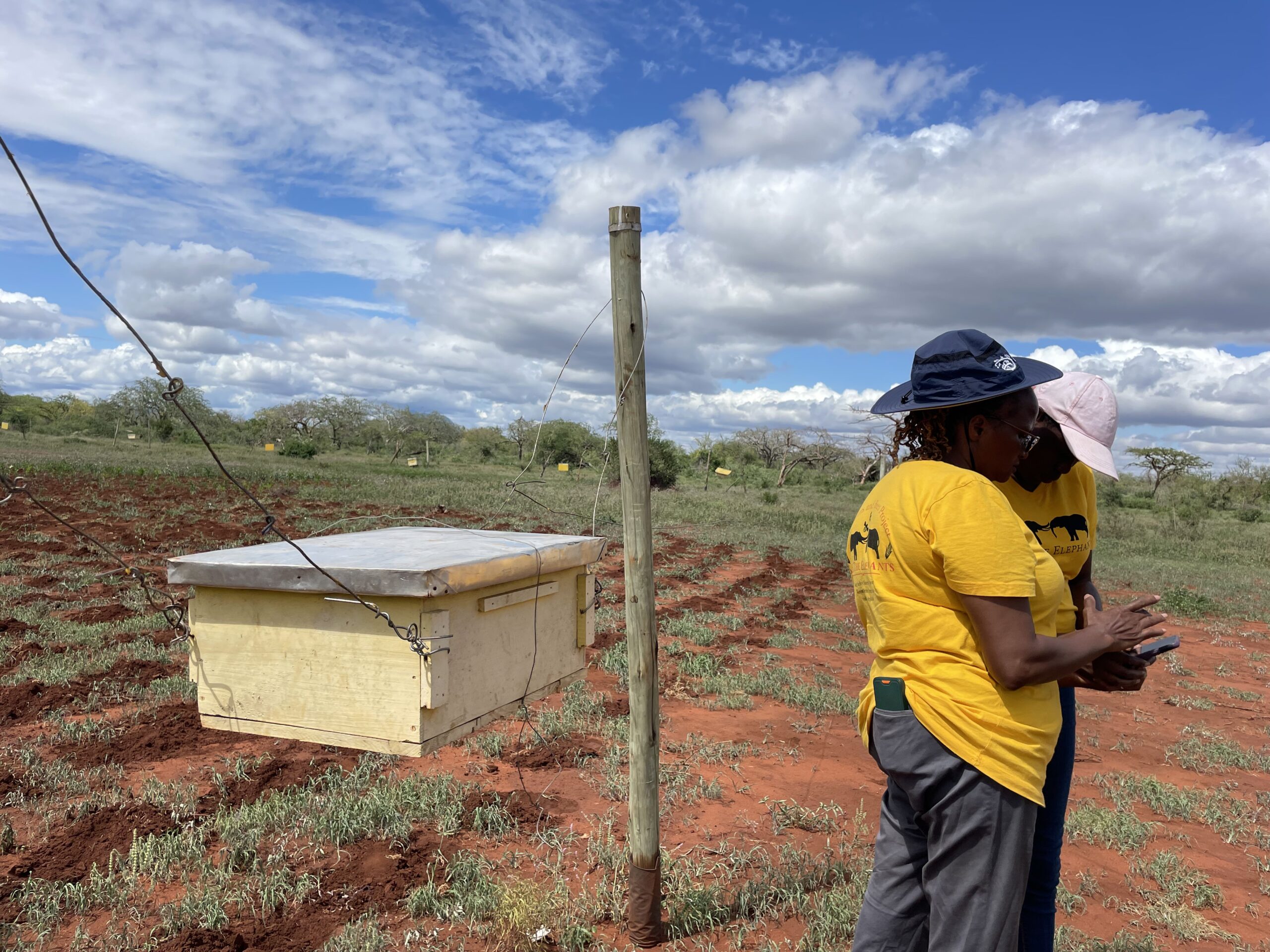
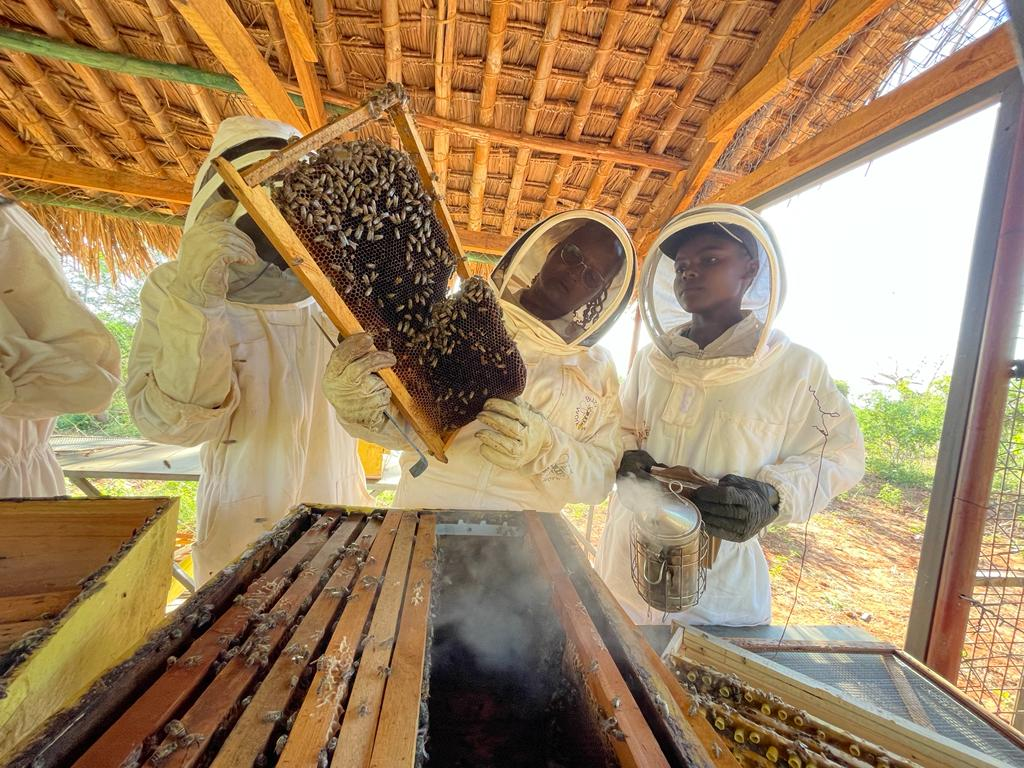
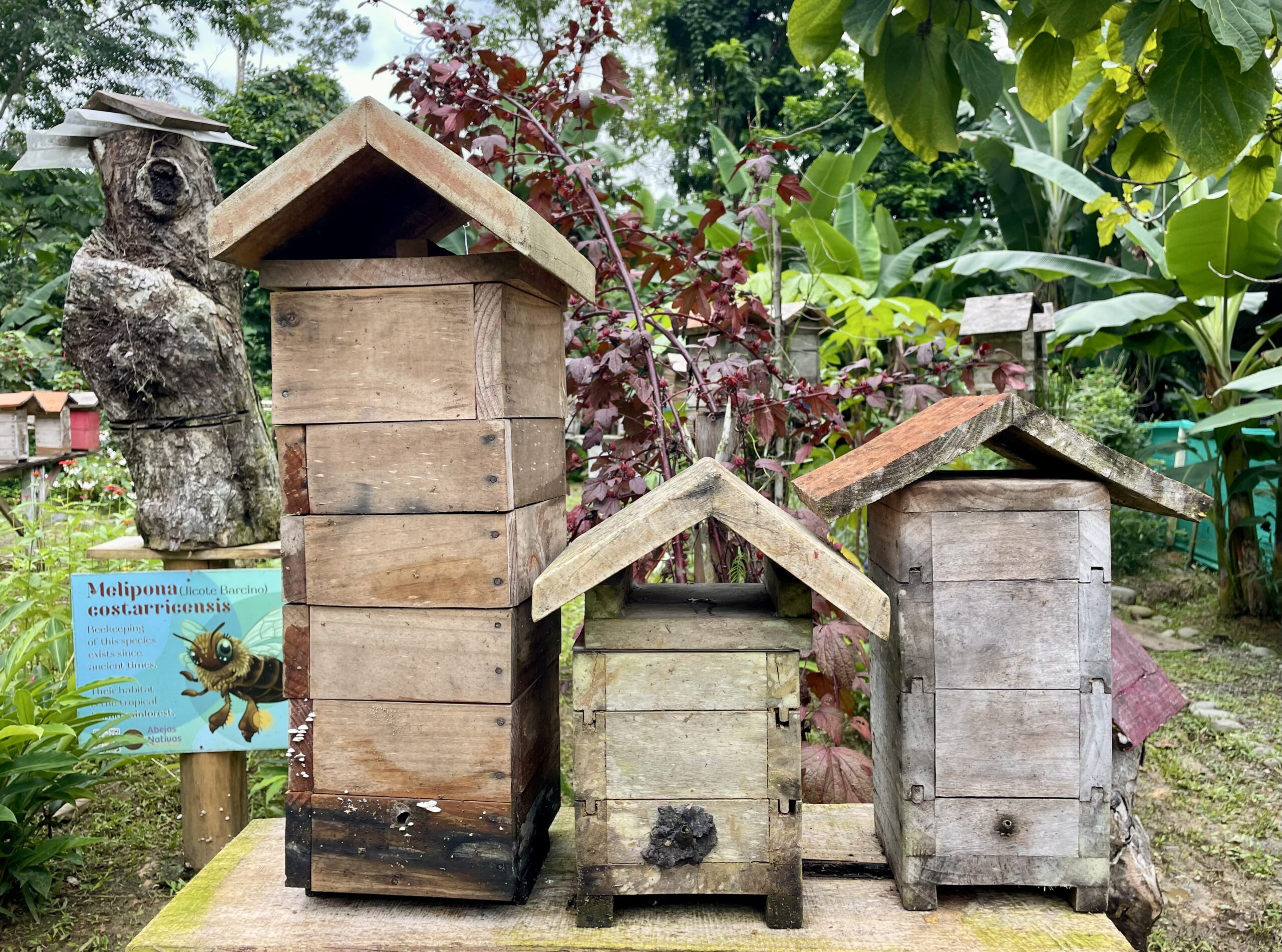
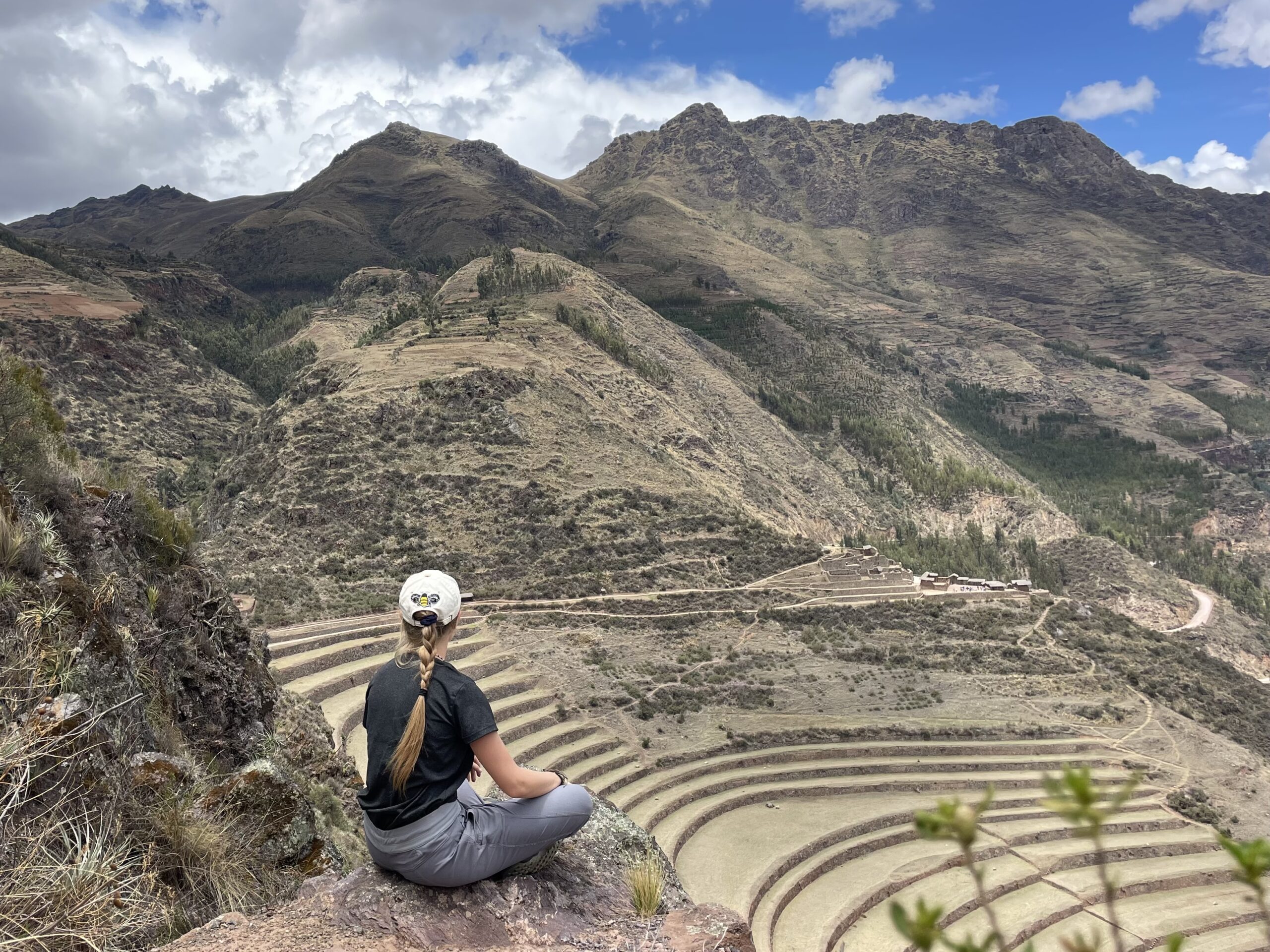
In the spring of 2022, I graduated from Bryn Mawr College with a Bachelor’s in Honors Biology and a minor in Environmental Studies. Inspired by my experience as a beekeeper and my long-time fascination with pollinators, I spent the next year traveling around the world learning more about beekeeping and pollinator conservation as a 2022 Thomas J. Watson Fellow. My fellowship is what originally inspired my “wandering beeline” and you can read more about it under the My Fellowship page.
jAY WALKING
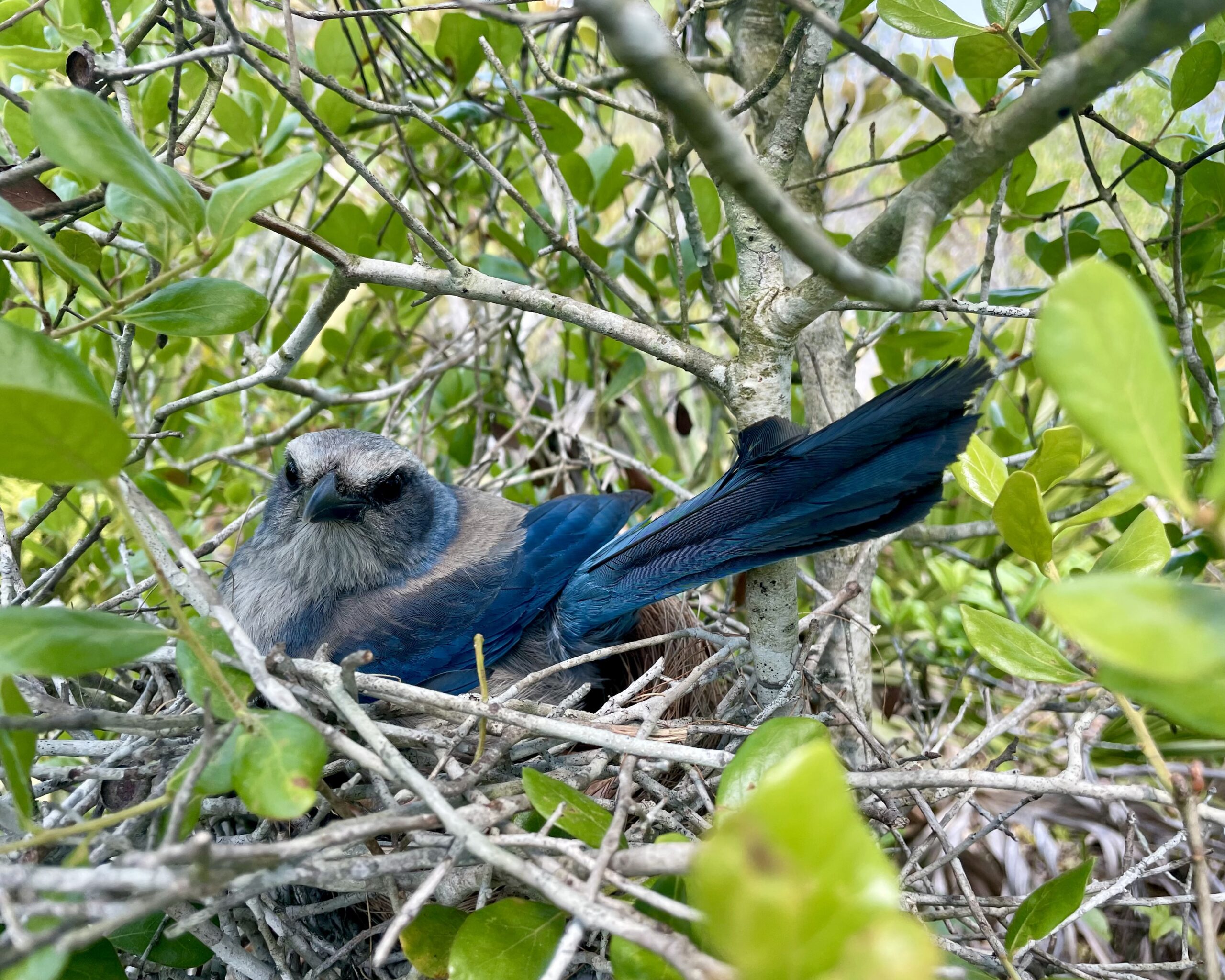
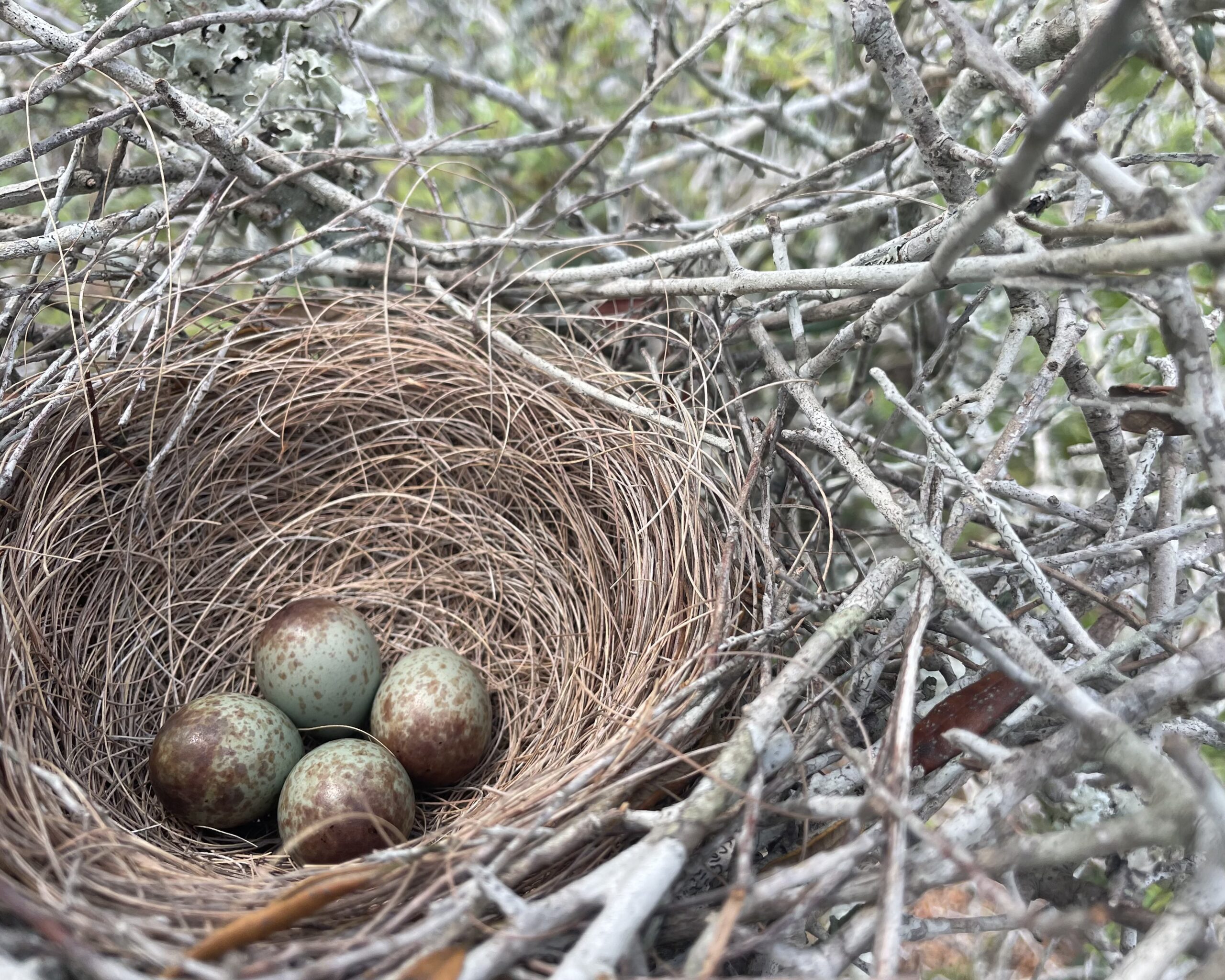
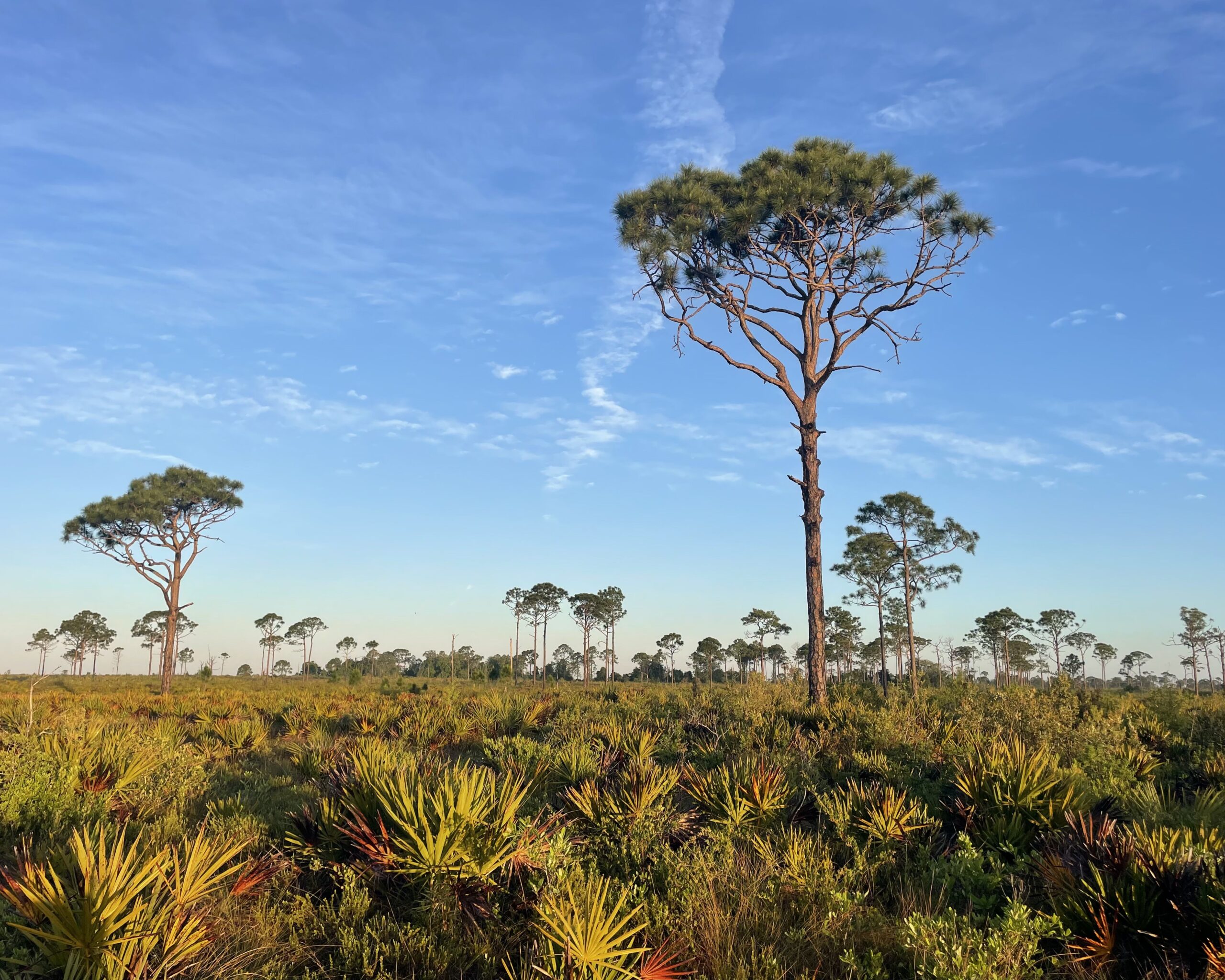
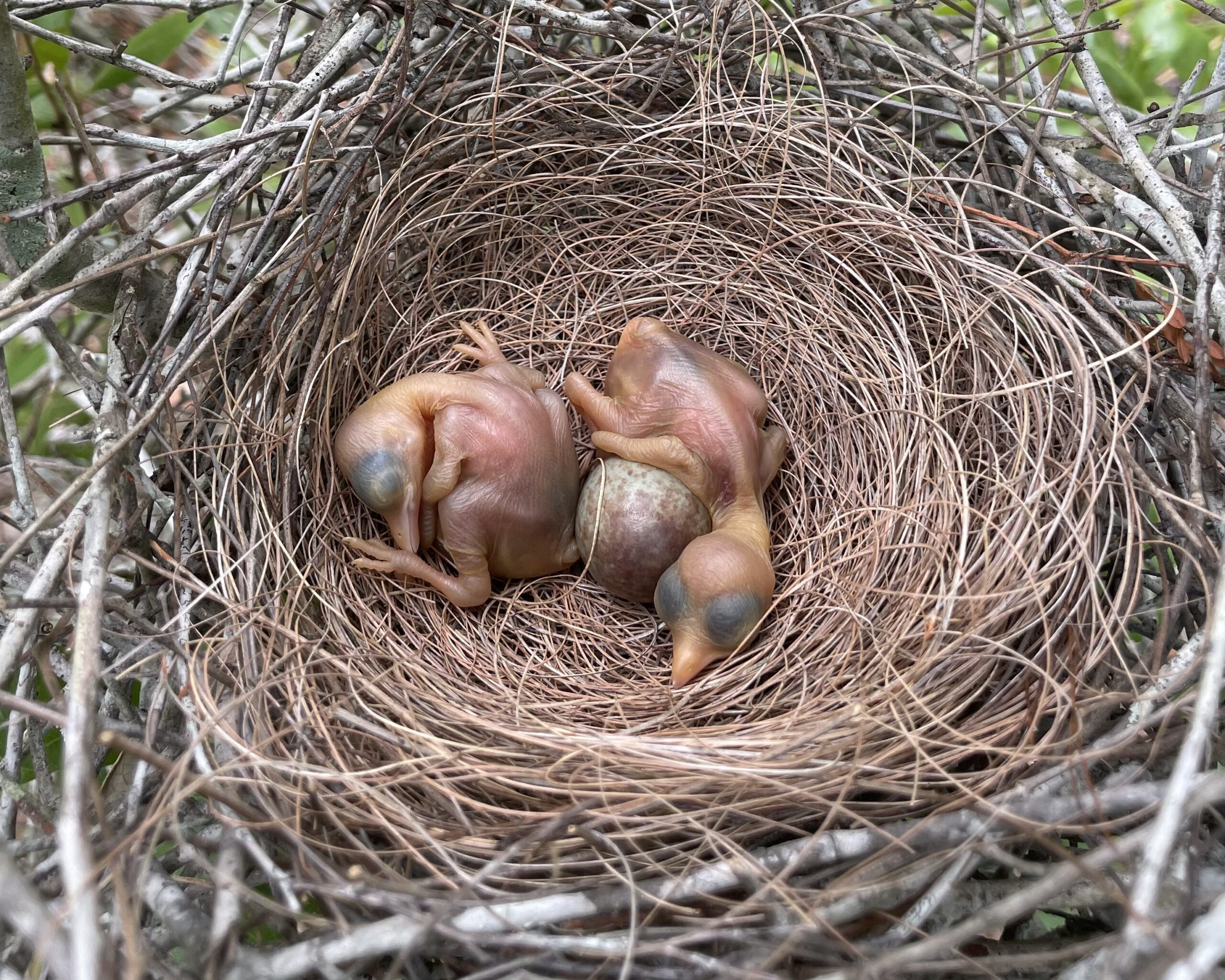
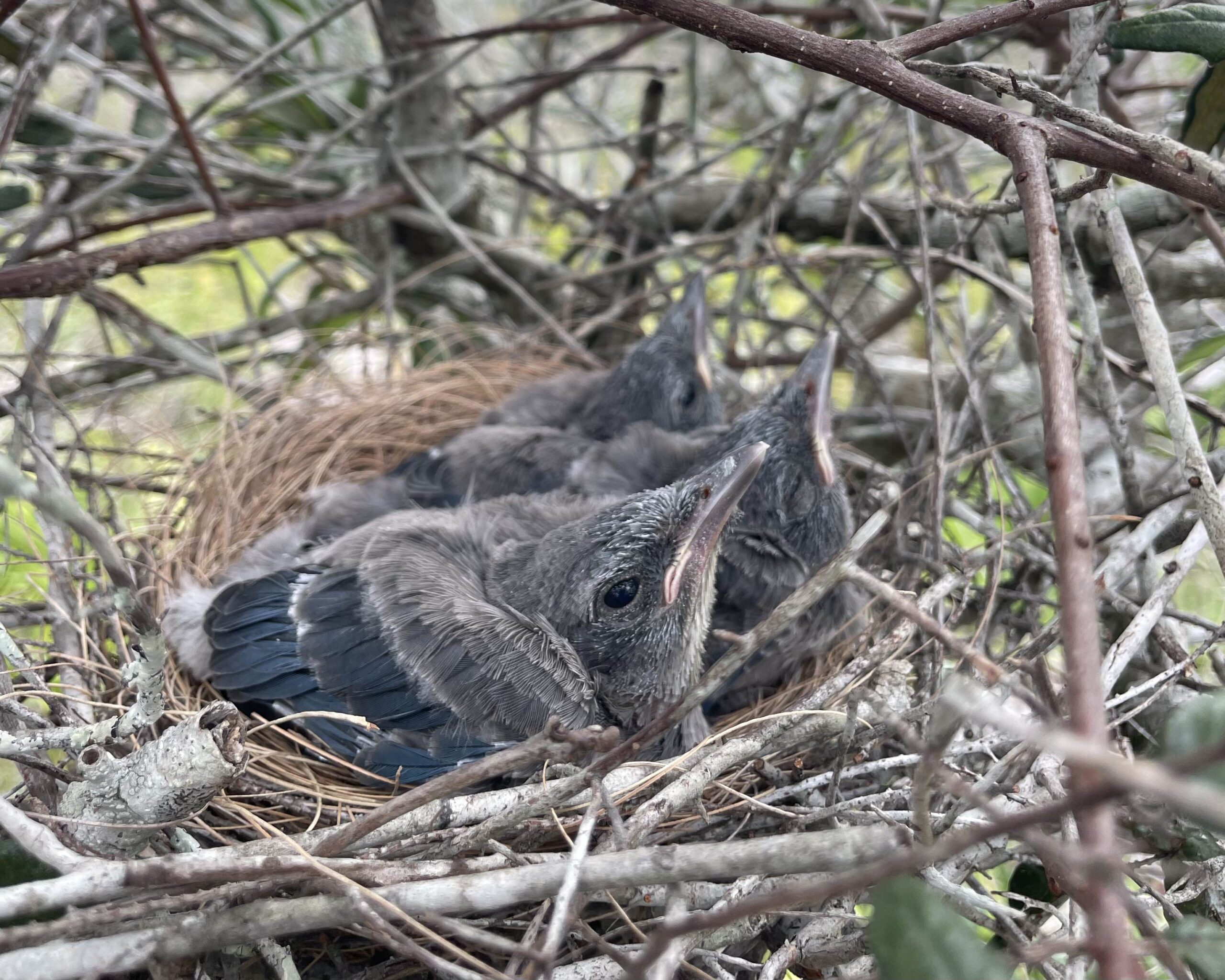
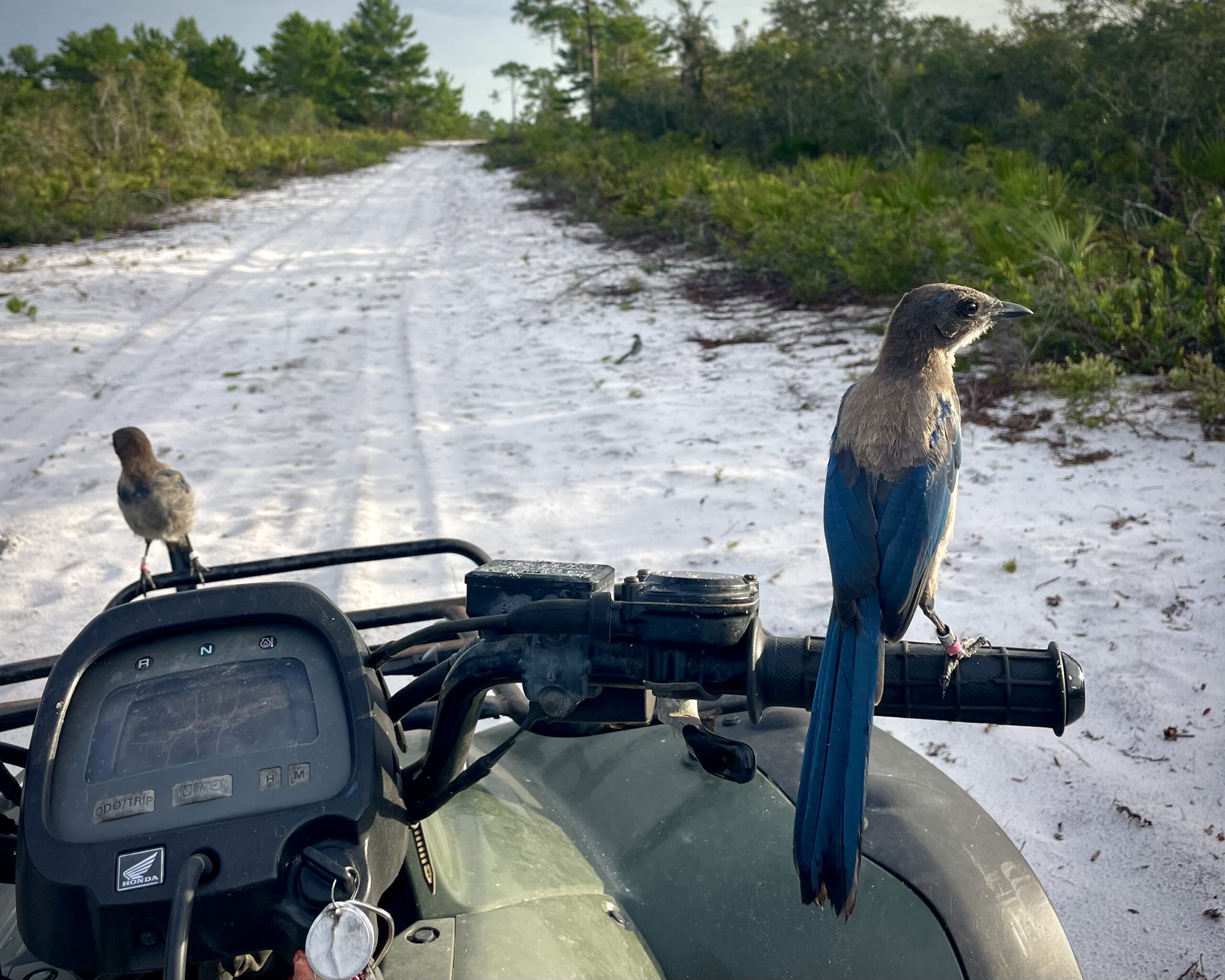
After I returned from my Watson Fellowship, I spent 6-months as an Avian Ecology Intern at Archbold Biological Station down in Florida. While there, I spent my days ATVing around Florida’s scrub ecosystem chasing the beautiful, feisty, and charismatic Florida Scrub-Jay. Archbold has been studying Florida Scrub-Jays for over 50-years, and I got to contribute to their long-term demography study by searching for and monitoring nests, fledglings, and adults. I was able to develop my own research project looking at how increasing temperatures over the last 45-years have impacted the nestling body size and survival of this federally threatened bird, and I’m going to be publishing a manuscript with the results in 2026.
A BEE-SY SUMMER
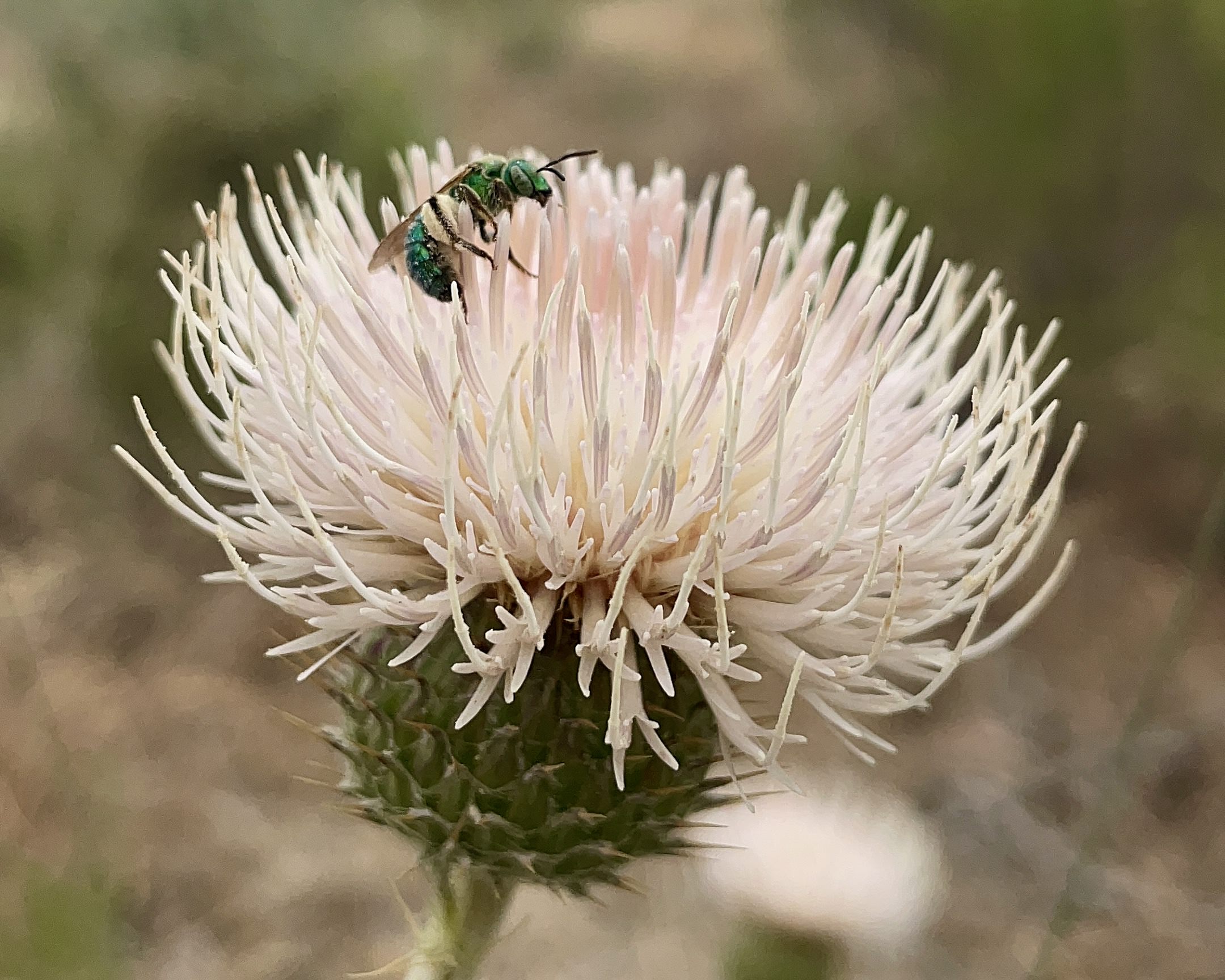
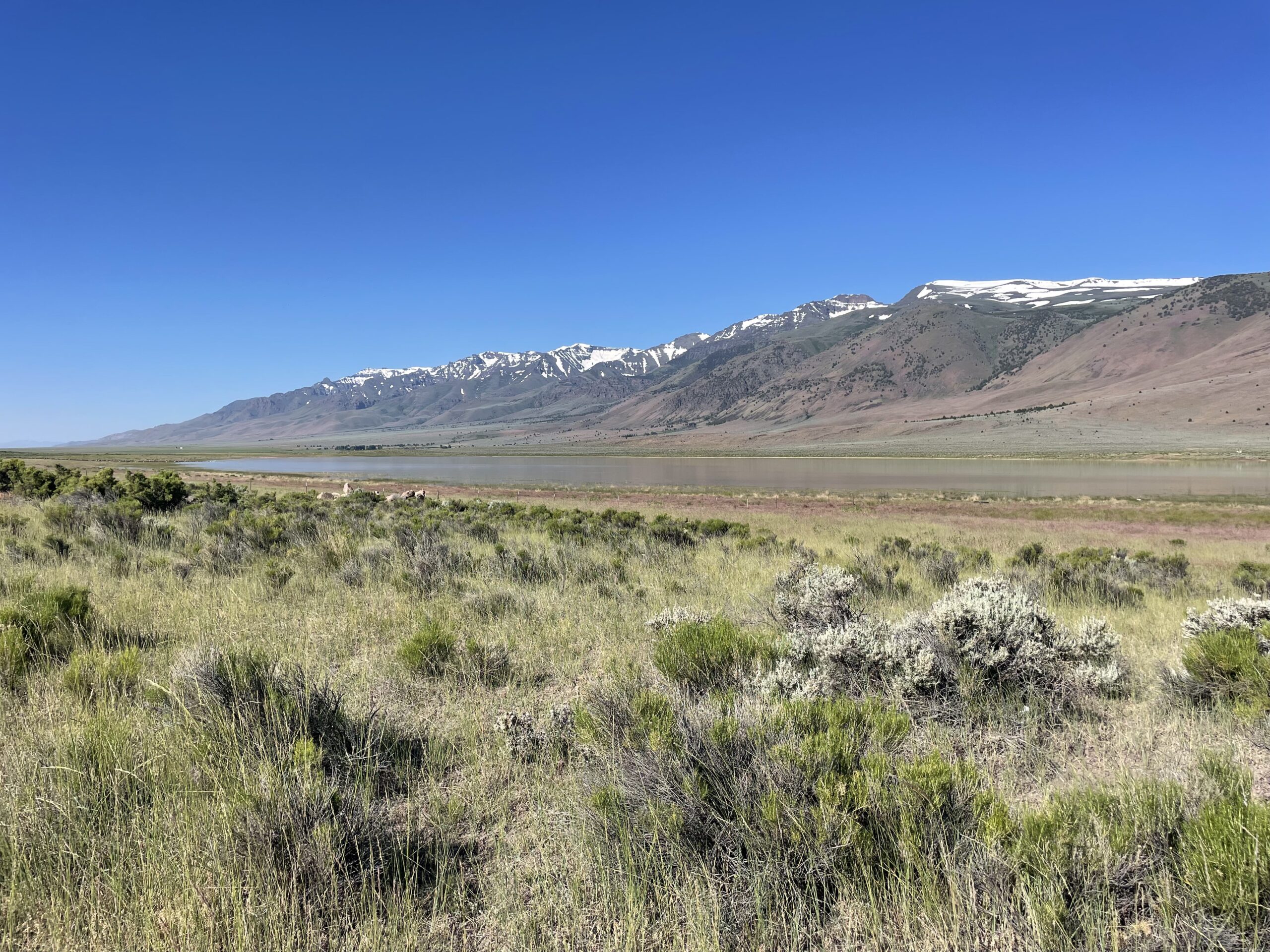
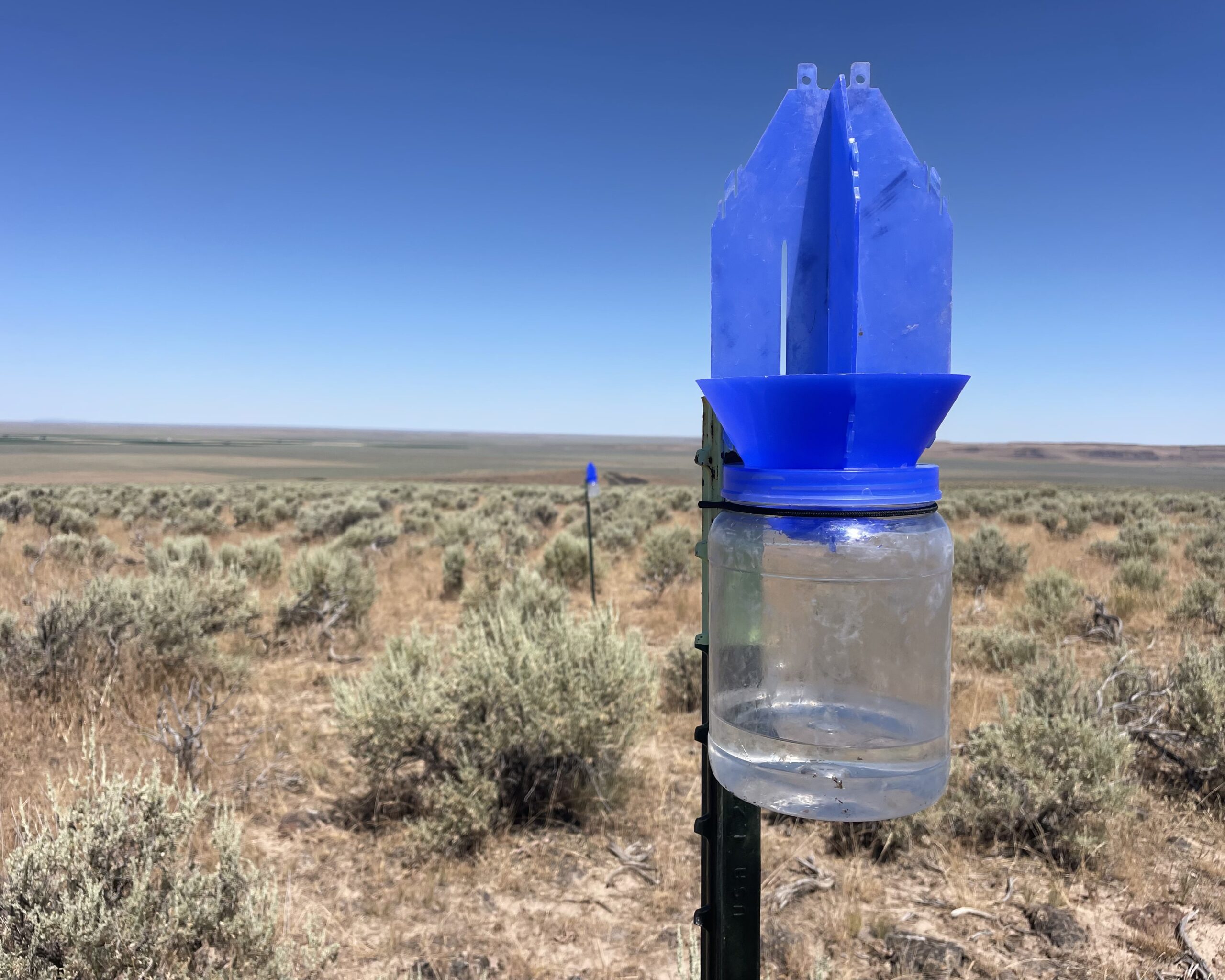
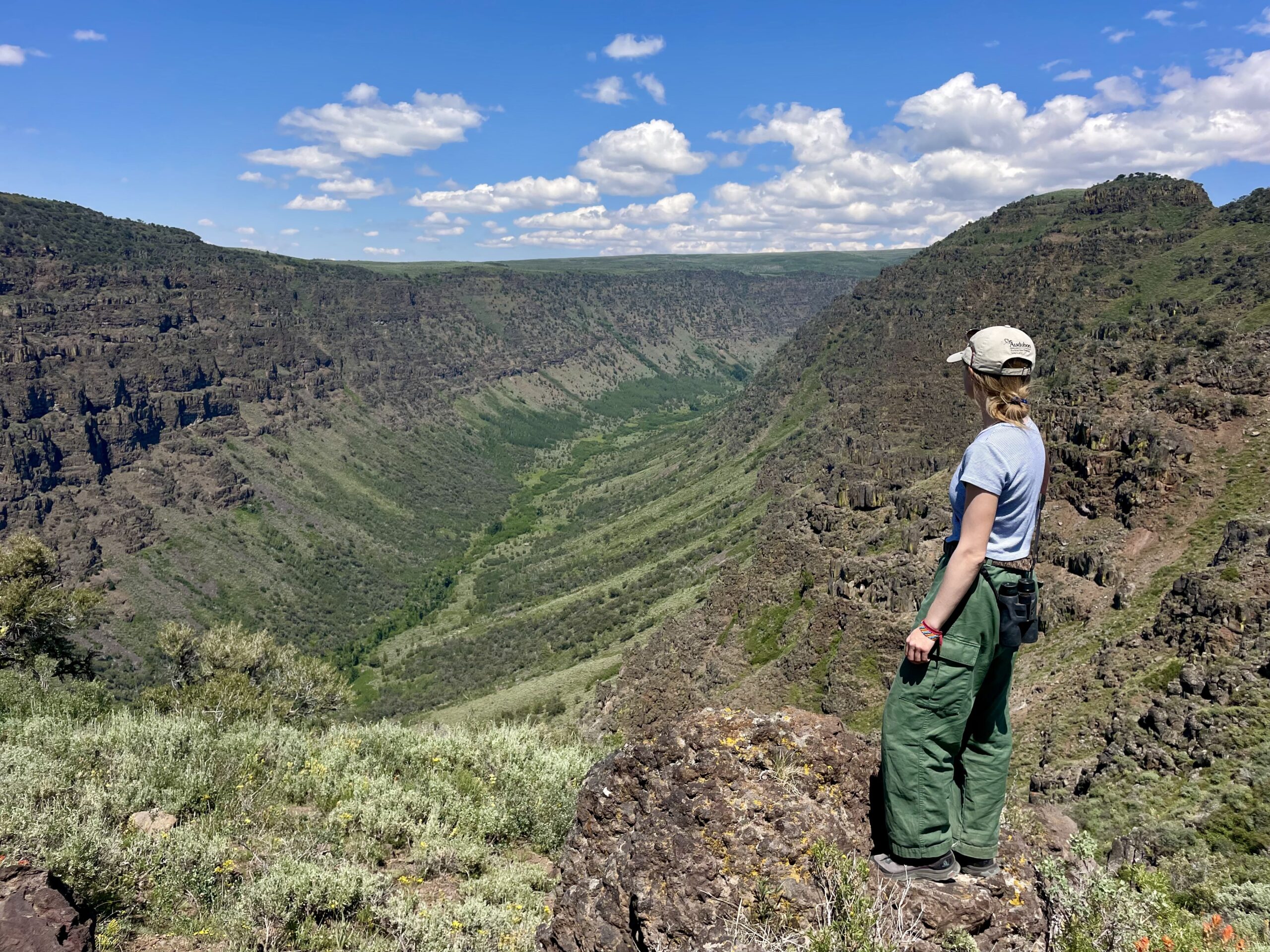
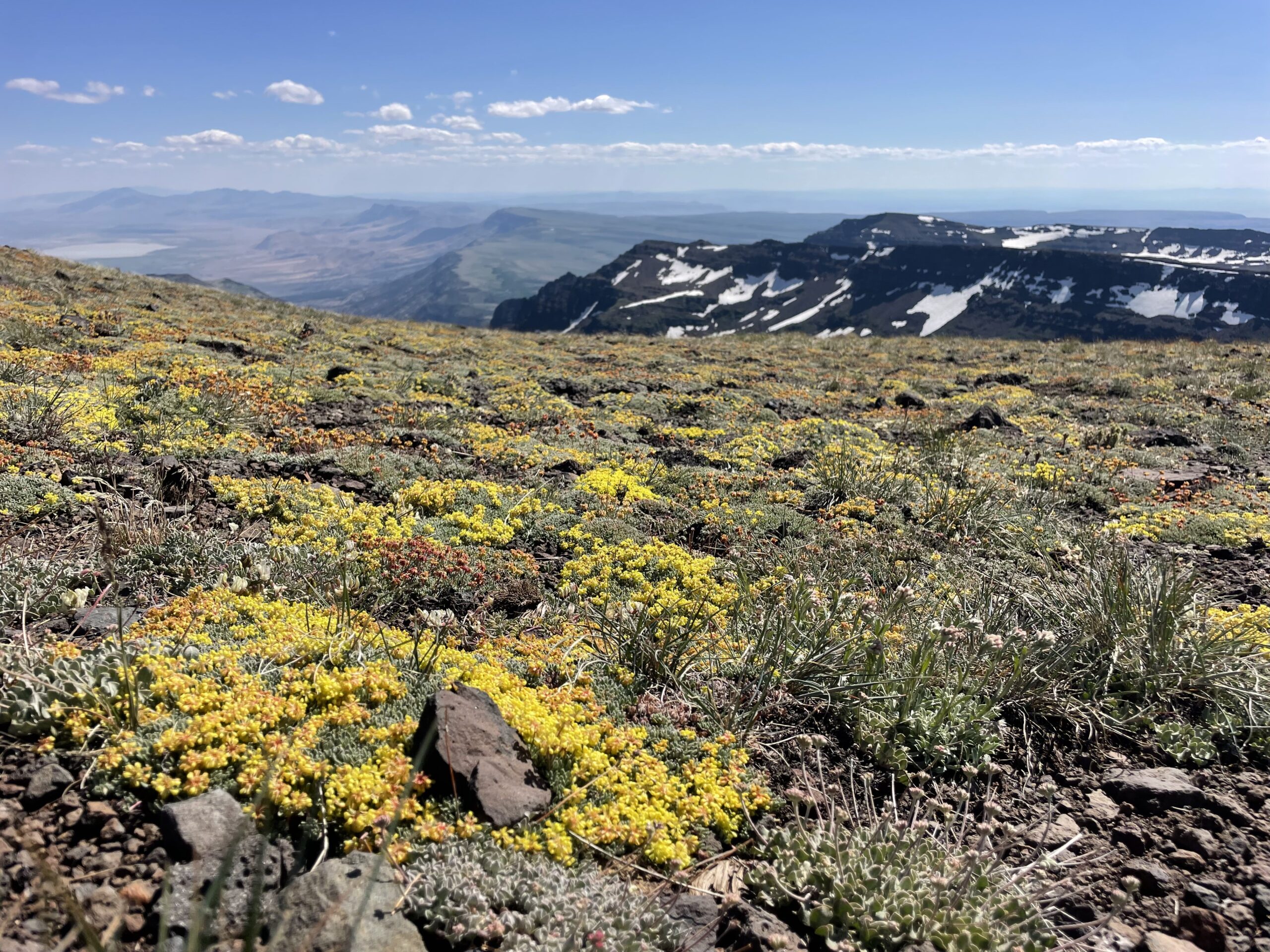
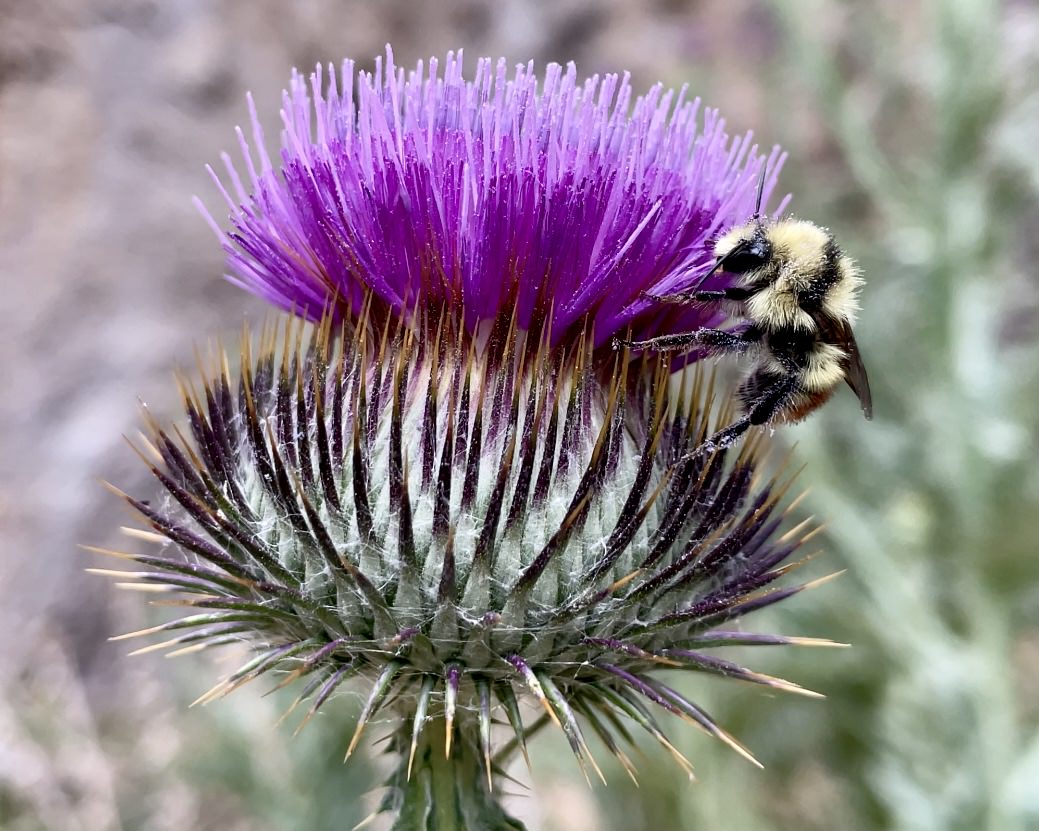
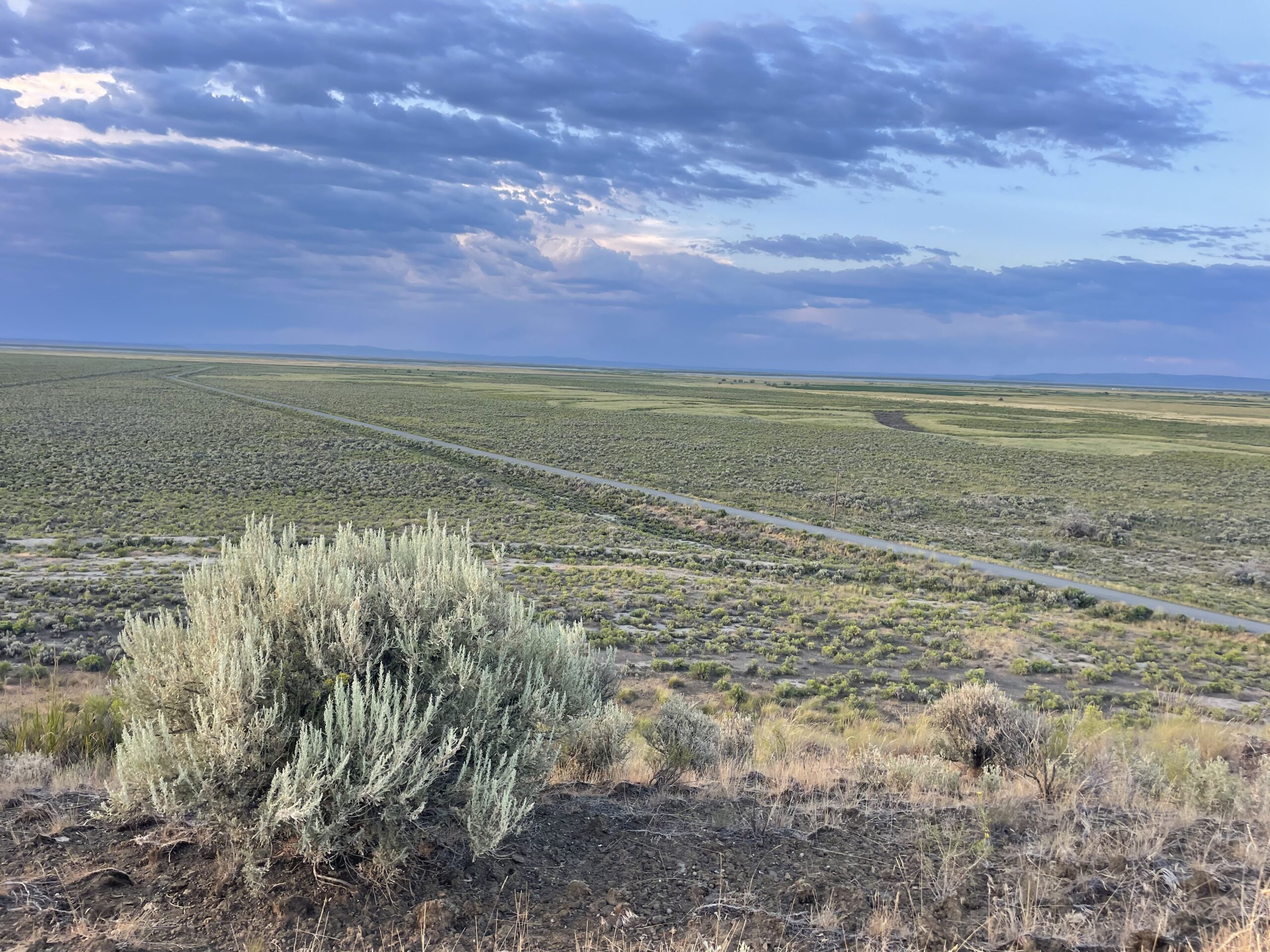
After having worked with a variety of different plants and animals, I decided that I wanted to continue working with pollinators! On top of being fascinating creatures, they are critical for ecosystem health, food systems, and human livelihoods and they need our help more than ever as they face increasing threats from environmental change. I spent this past summer working as a pollinator technician for Oregon State University in eastern Oregon’s sagebrush steppe ecosystem. I spent my days hiking around the beautiful foothills of the Steens Mountains collecting bees and identifying flowers for a graduate student’s project looking at how fire and invasive grass communities are impacting native bee communities.
CROSS COUNTRY ADVENTURES
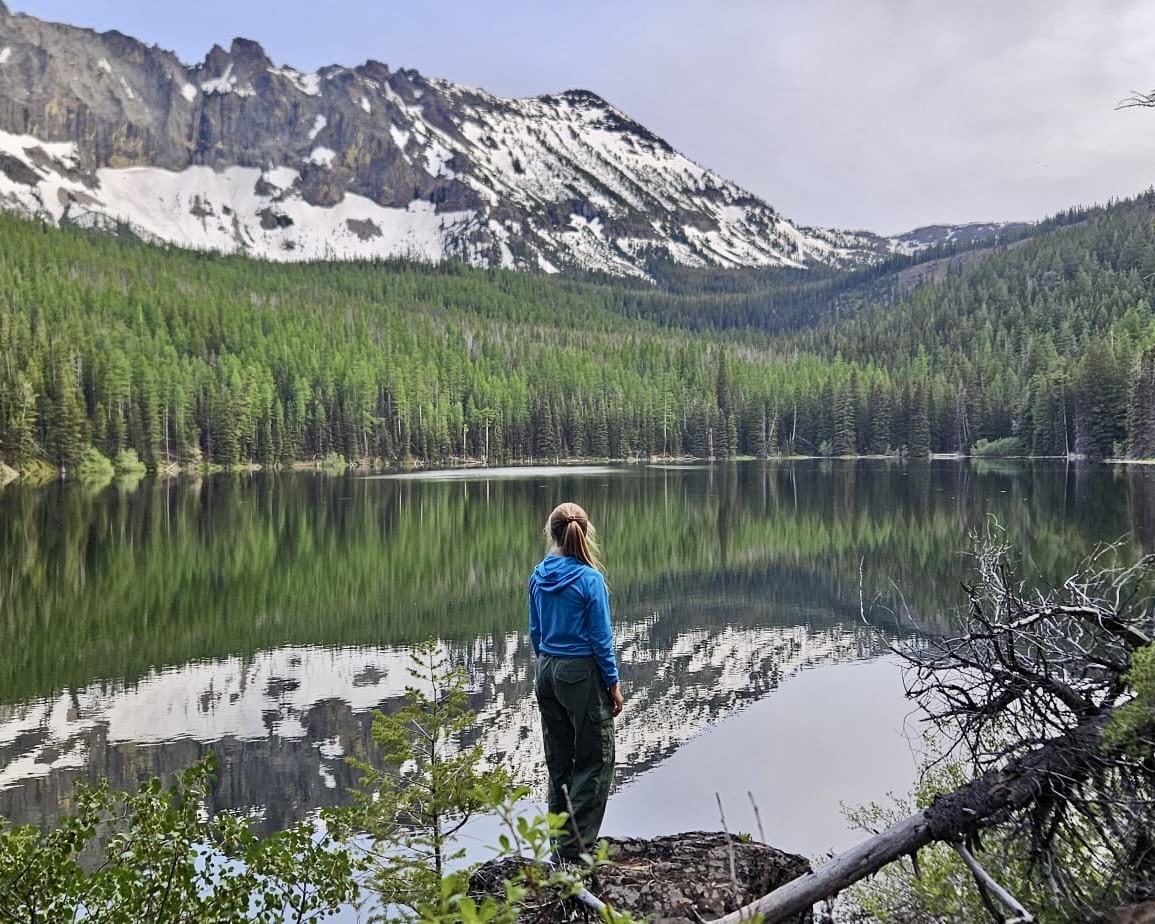
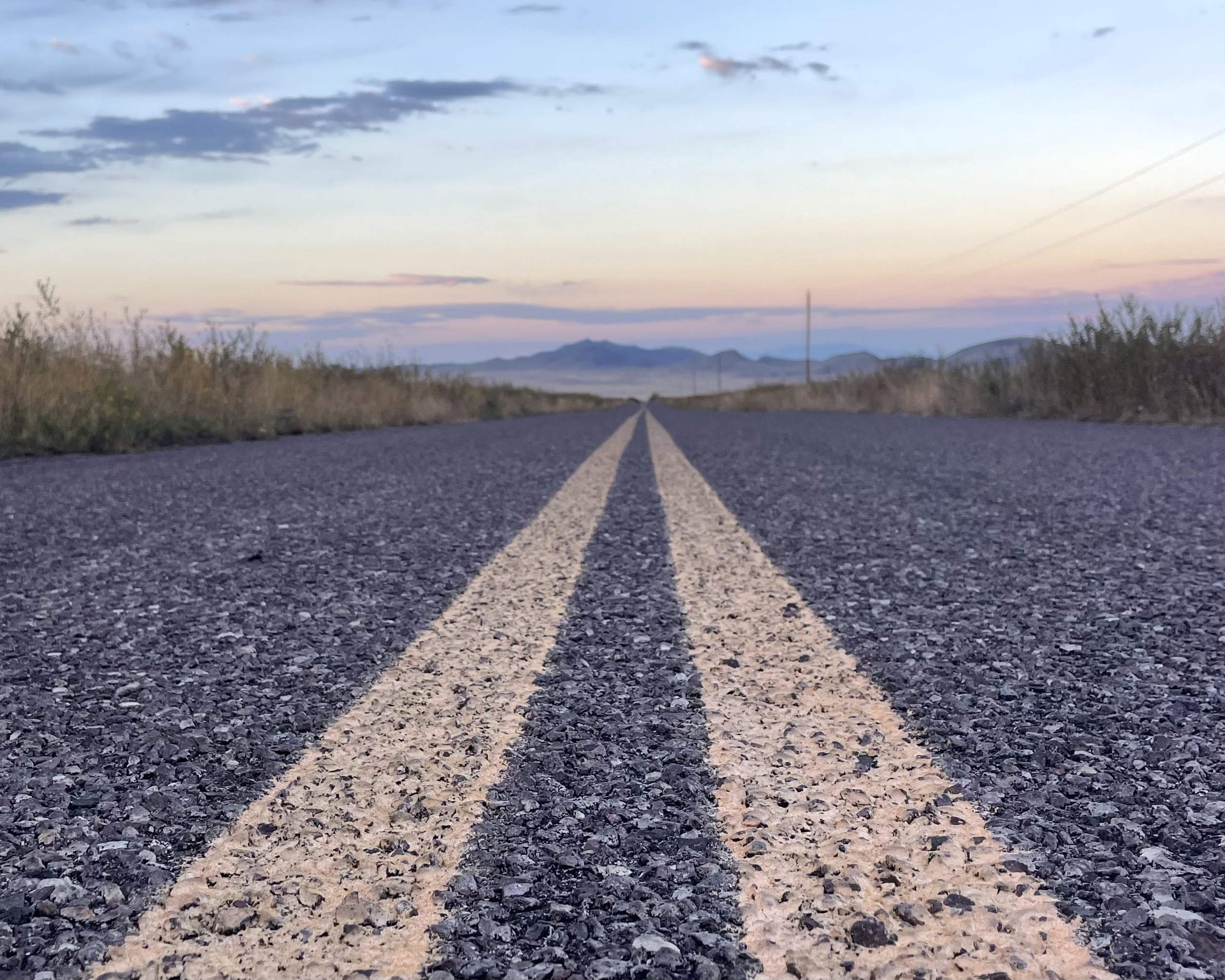
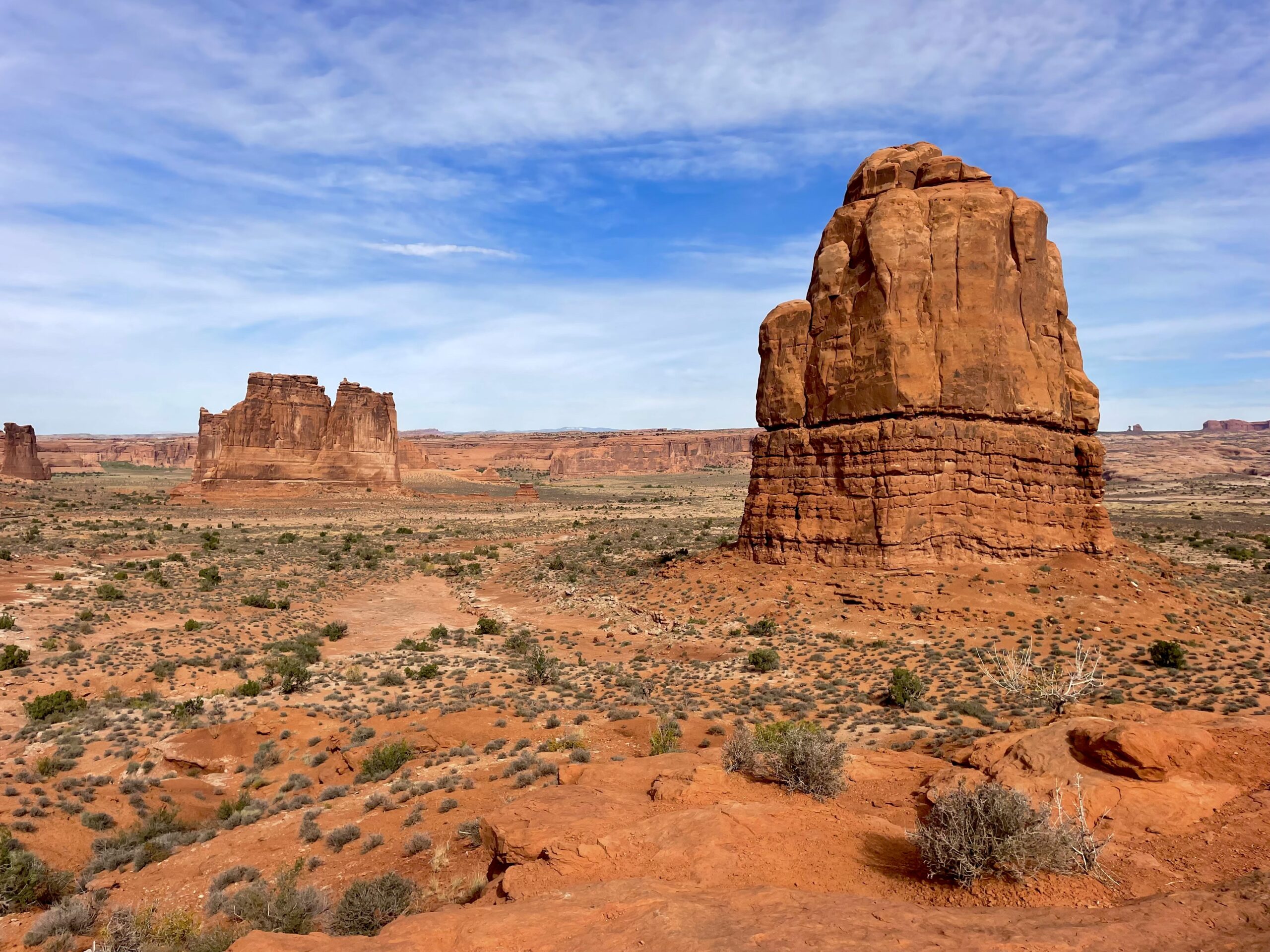
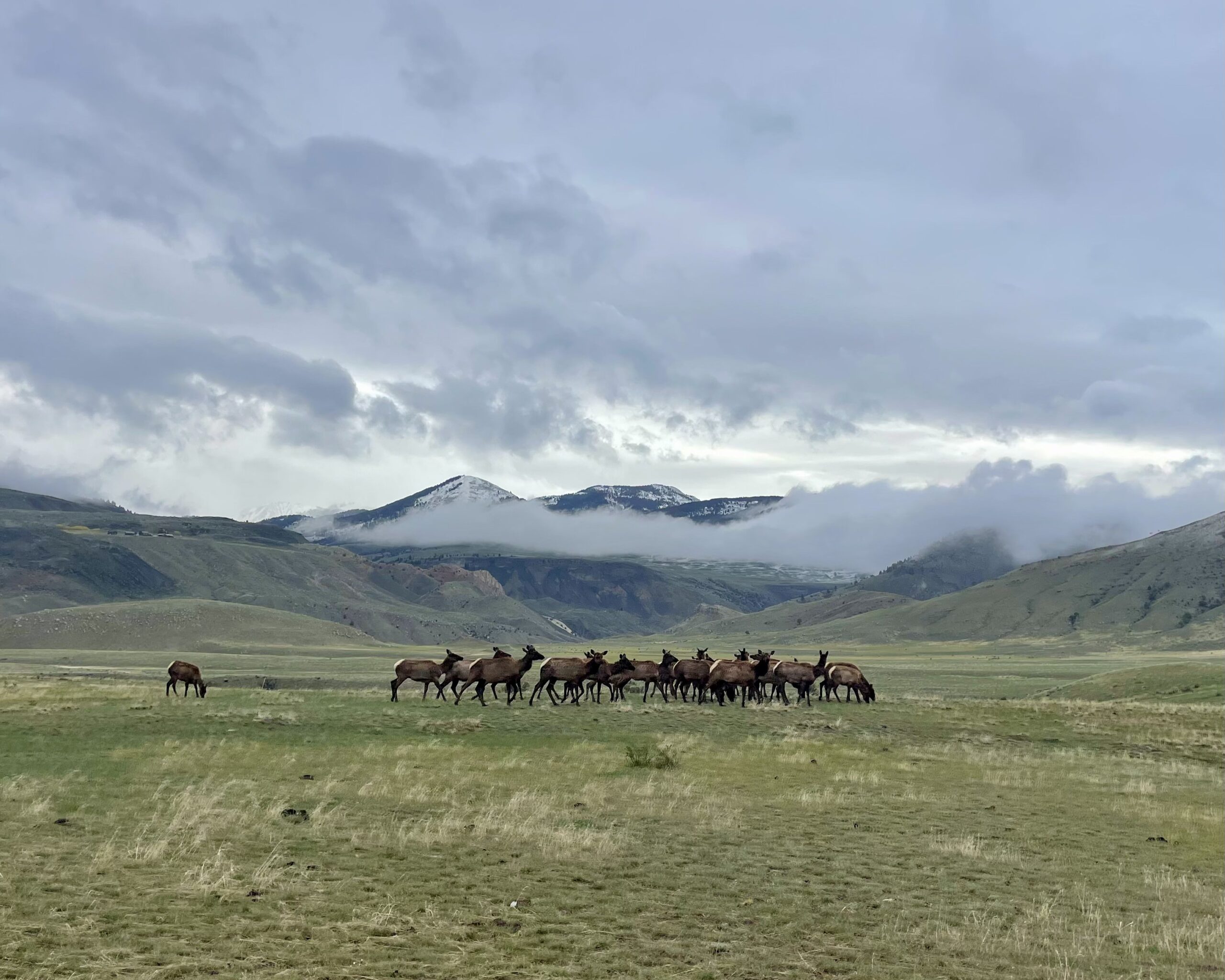
In between my seasonal jobs, I’ve also spent some time road-tripping around the U.S. and Canada exploring the vast wild spaces North America has to offer. In my free time I love hiking, kayaking, running, climbing, skiing, playing soccer, reading, writing, cooking, and taking way too many photos.
My Blog
Interested in reading more about my adventures? I have a blog coming soon! It’s going to be all about my research experience, field and travel stories, and cool creatures.
You can check my Blog page for updates to see when it’s ready!