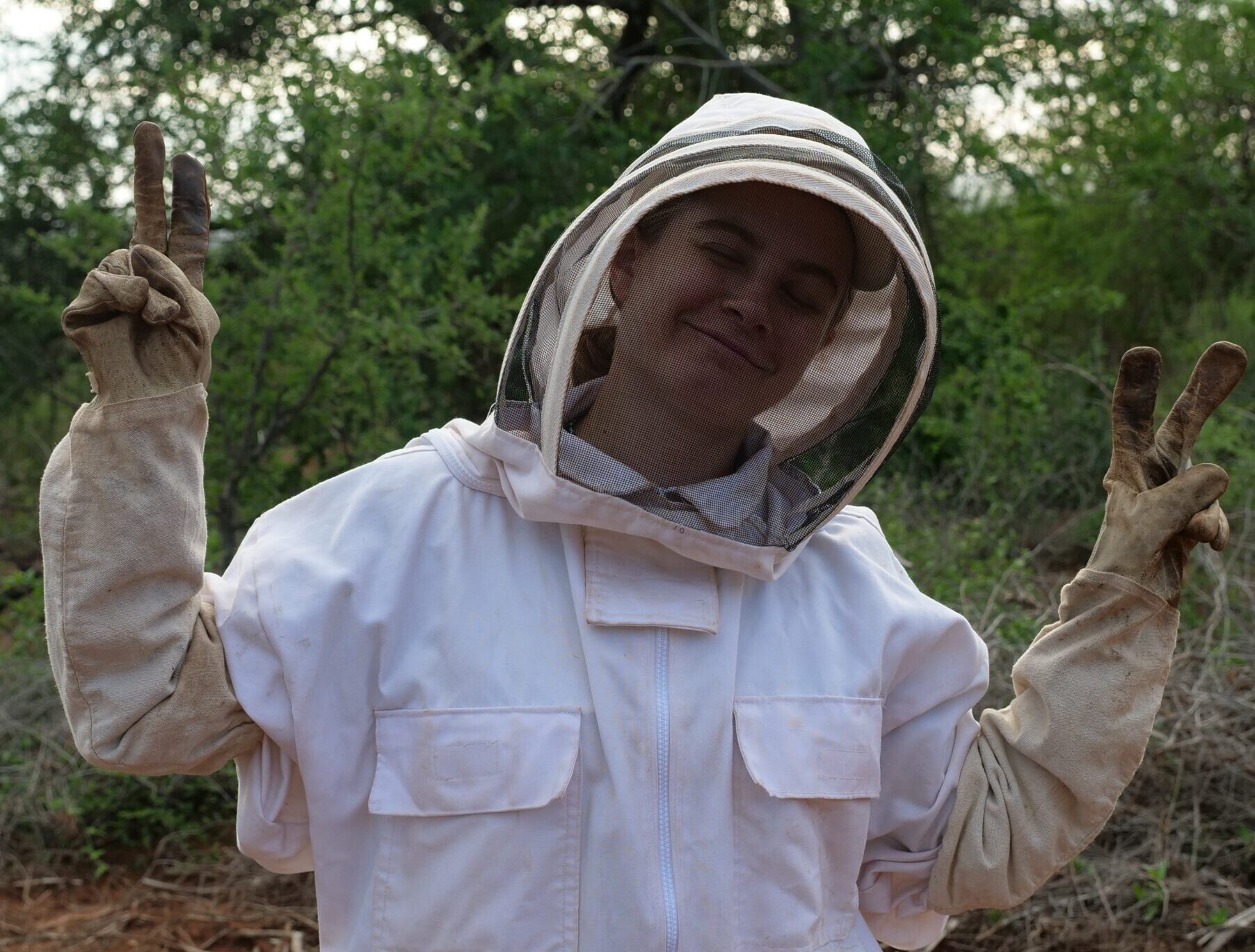
Pollinators are an immensely diverse and important group of organisms that shape ecosystems, food systems, and livelihoods, yet their populations are declining around the world. In 2023, I spent a year traveling around the world learning about beekeeping and pollinator conservation as a 2022 Thomas J. Watson Fellow. My fellowship project was inspired by my own experience keeping bees with my family in my home state of New Jersey as well as my interest in exploring conservation biology through the lens of both science and culture. You can read more about my fellowship, project, and travels below.
The Thomas J. Watson Fellowship
The Thomas J. Watson Fellowship is a one-year grant for purposeful, independent exploration outside of the U.S. awarded to graduating university seniors nominated by one of the Thomas J. Watson Foundation’s 40 partner institutions.
Essentially, fellows are funded to design and execute a year-long project to explore one of their passions or interests and “enhance their capacity for resourcefulness, imagination, openness, and leadership while fostering their humane and effective participation in the world community.”
The application involves submitting a resume, project proposal, and personal statement and undergoing an interview process first with an applicant’s institution and then with the national selection committee. Each of the Watson Foundation’s 40 partner institutions can nominate up to 4 candidates for the national selection, and about 40 fellows are selected from those nominees each year to represent the next class of Thomas J. Watson Fellows.
My Fellowship Project
My fellowship project involved working with beekeepers, researchers, conservationists, agriculturalists, and community members in 8 countries to explore how beekeeping and pollinator conservation is practiced around the world. I created my fellowship project to learn more about the connection between people, pollinators, and the environment, as well as how those relationships are changing in the face of new challenges.
Check out the Thomas J. Watson Foundation’s description of my project here.
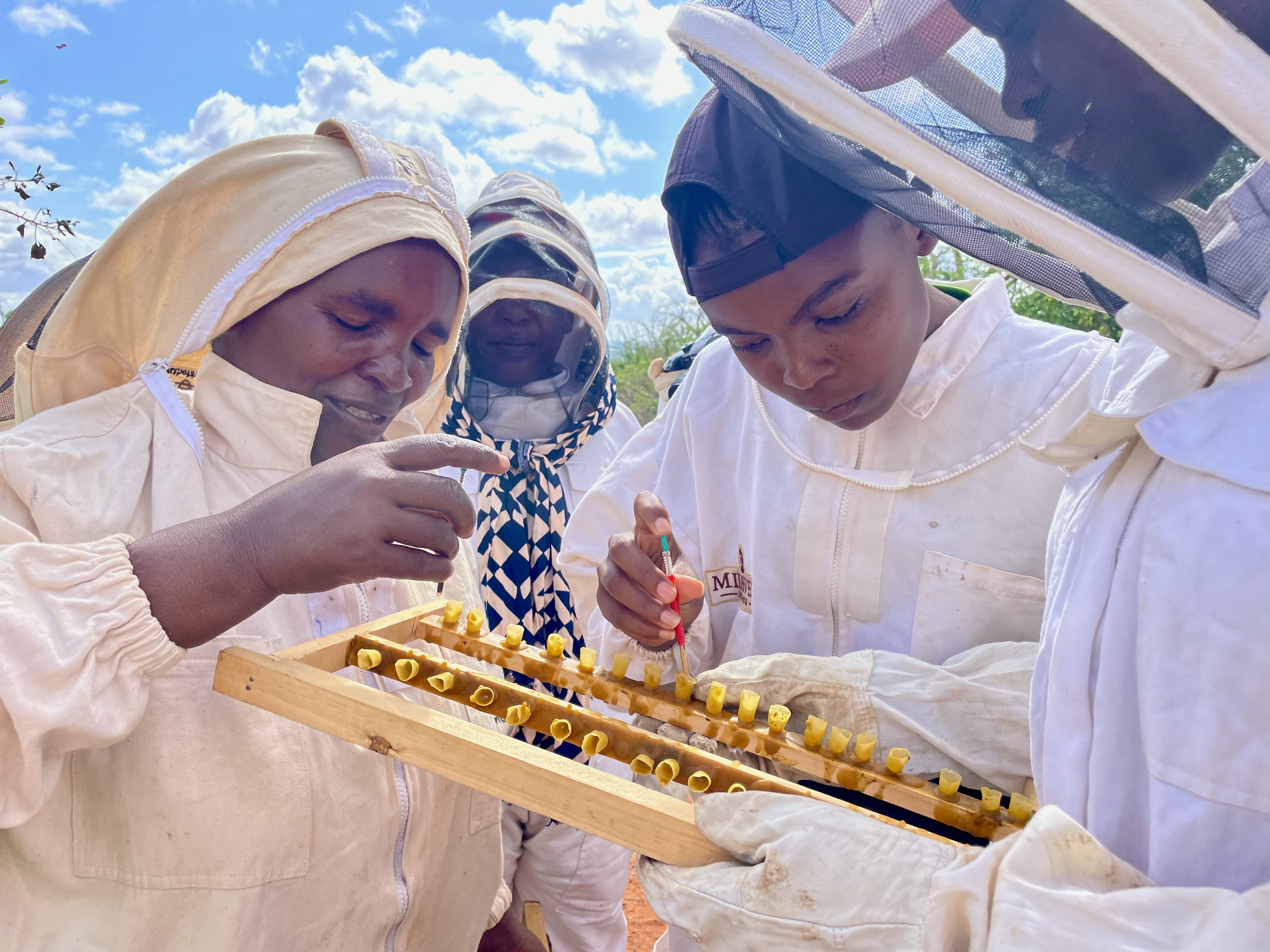
Farmers & beekeepers learning queen grafting, Kenya
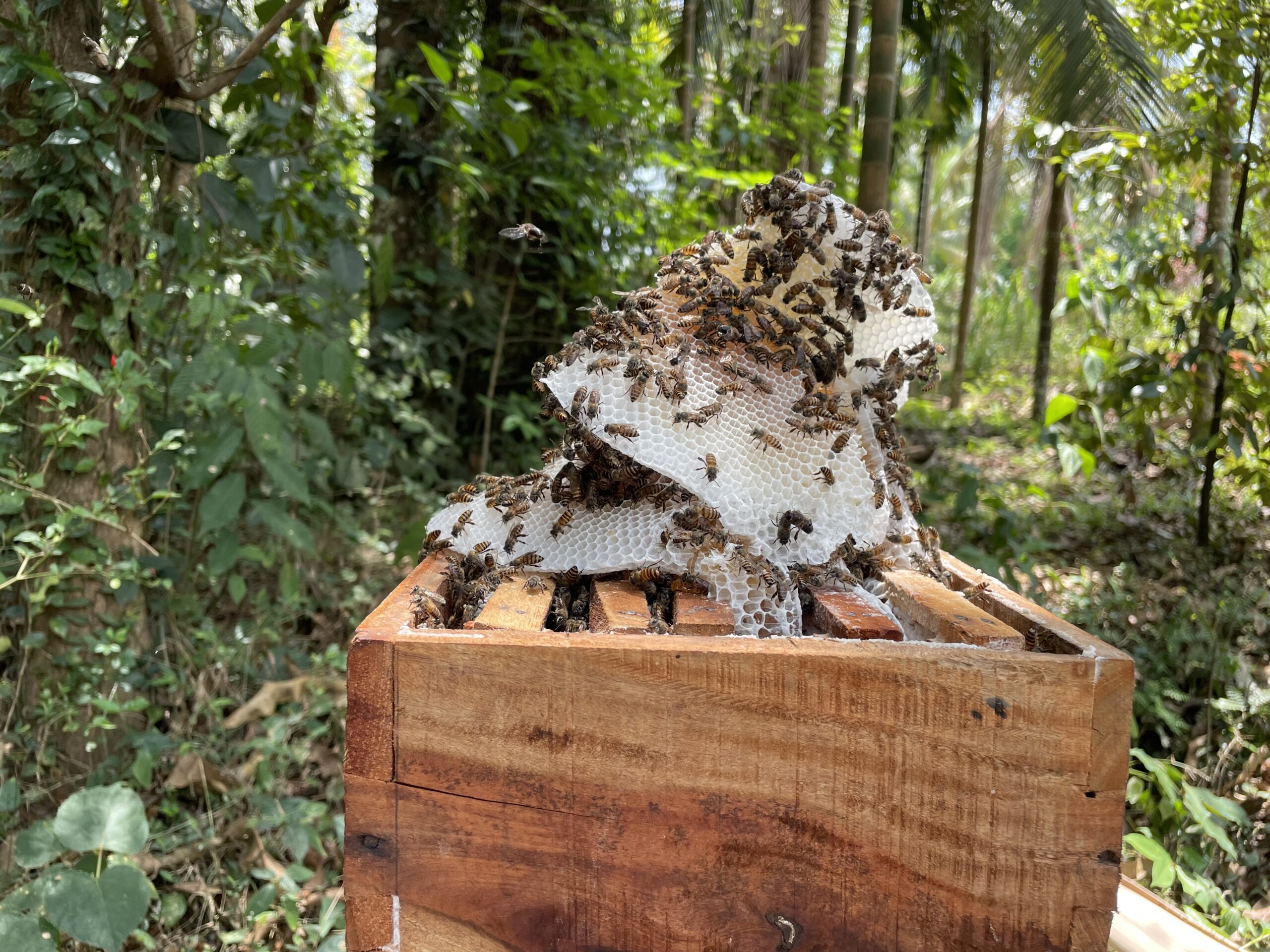
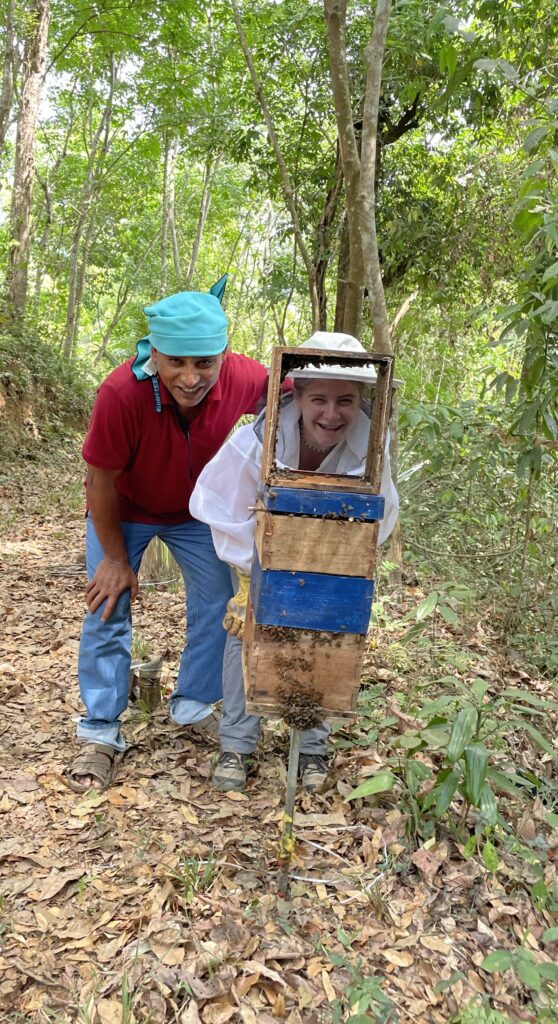
Harvesting honey, India
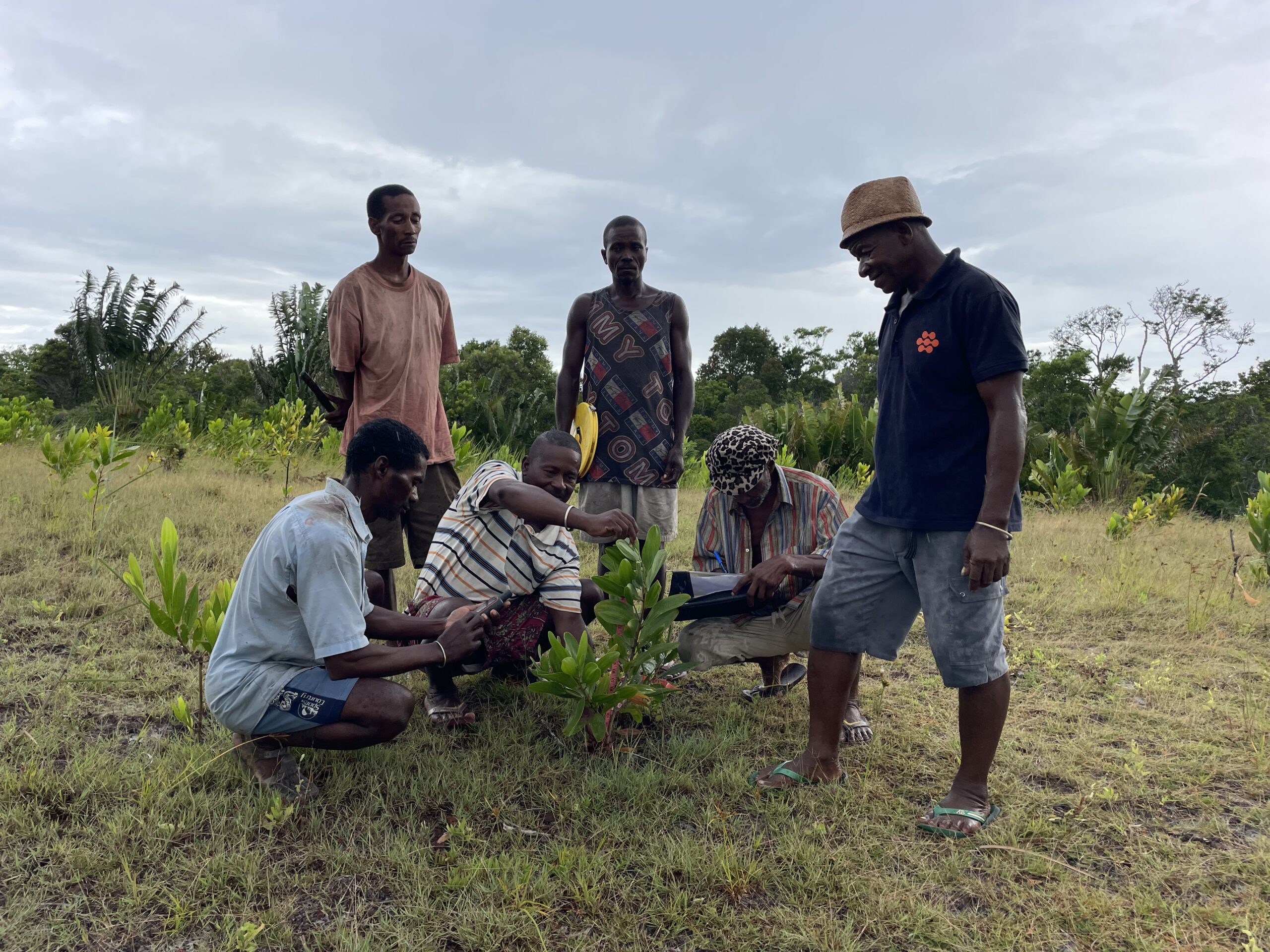
Land-owners surveying trees for a reforestation project, Madagascar
How it worked
I was given $40,000 by the Thomas J. Watson Foundation at the start of the year to use on my project. I wasn’t allowed to come back to the U.S. for the duration of my year and I had to do my project independently. I of course lived, traveled, and worked with many amazing people over the course of my year, but my fellowship was independent in that I had to figure out where I wanted to go, what I wanted to do, who I wanted to meet with, and how I’d get myself there. No one told me what to do or where to go and I was fully reliant on myself when it came to making decisions. I wrote quarterly reports that I sent to the Watson Foundation every three months to let them know how it was going, and at the end of my fellowship year I gave a short presentation at a symposium with the other Watson fellows in my cohort on what I did during my year.
My Tracks
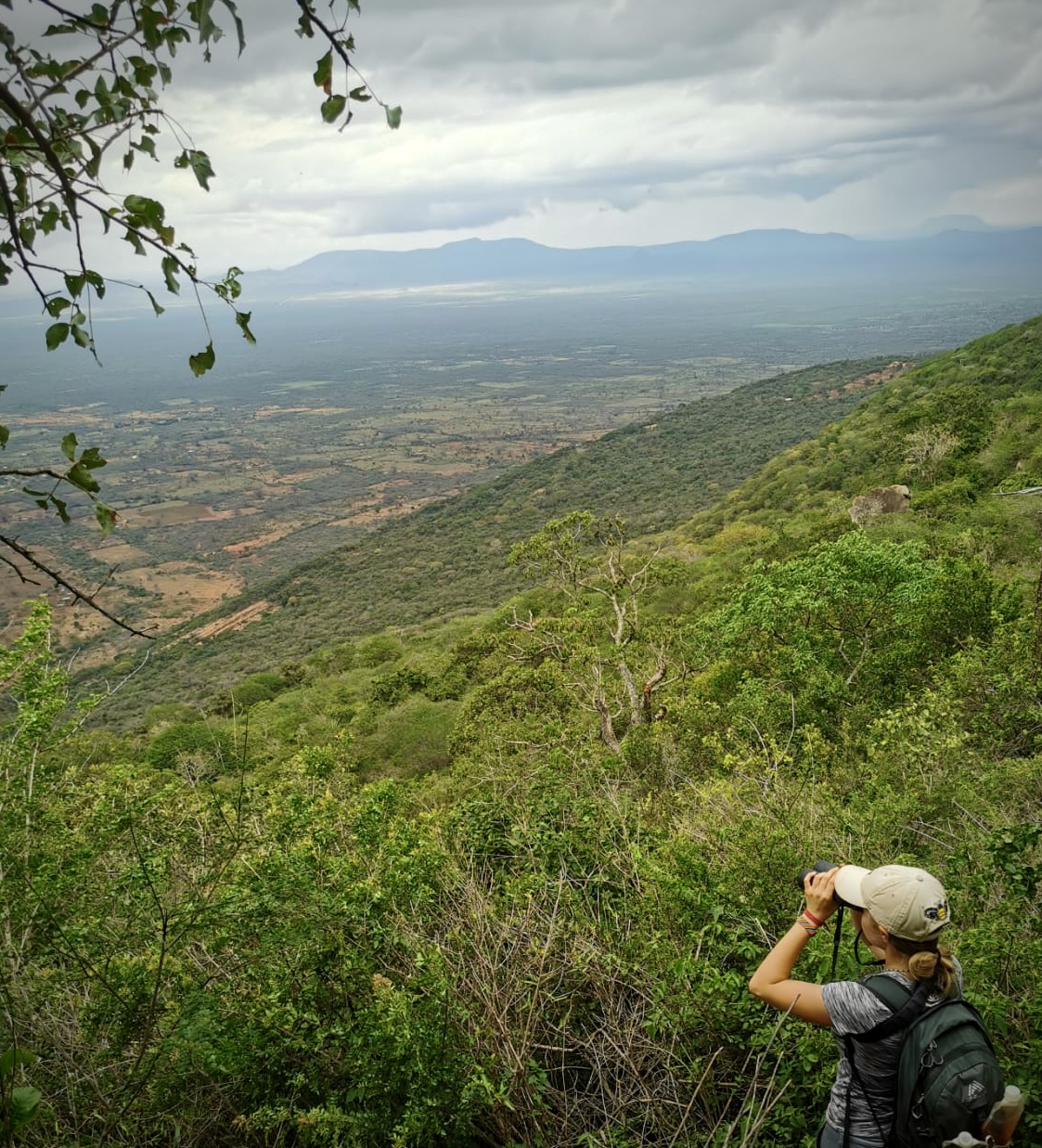
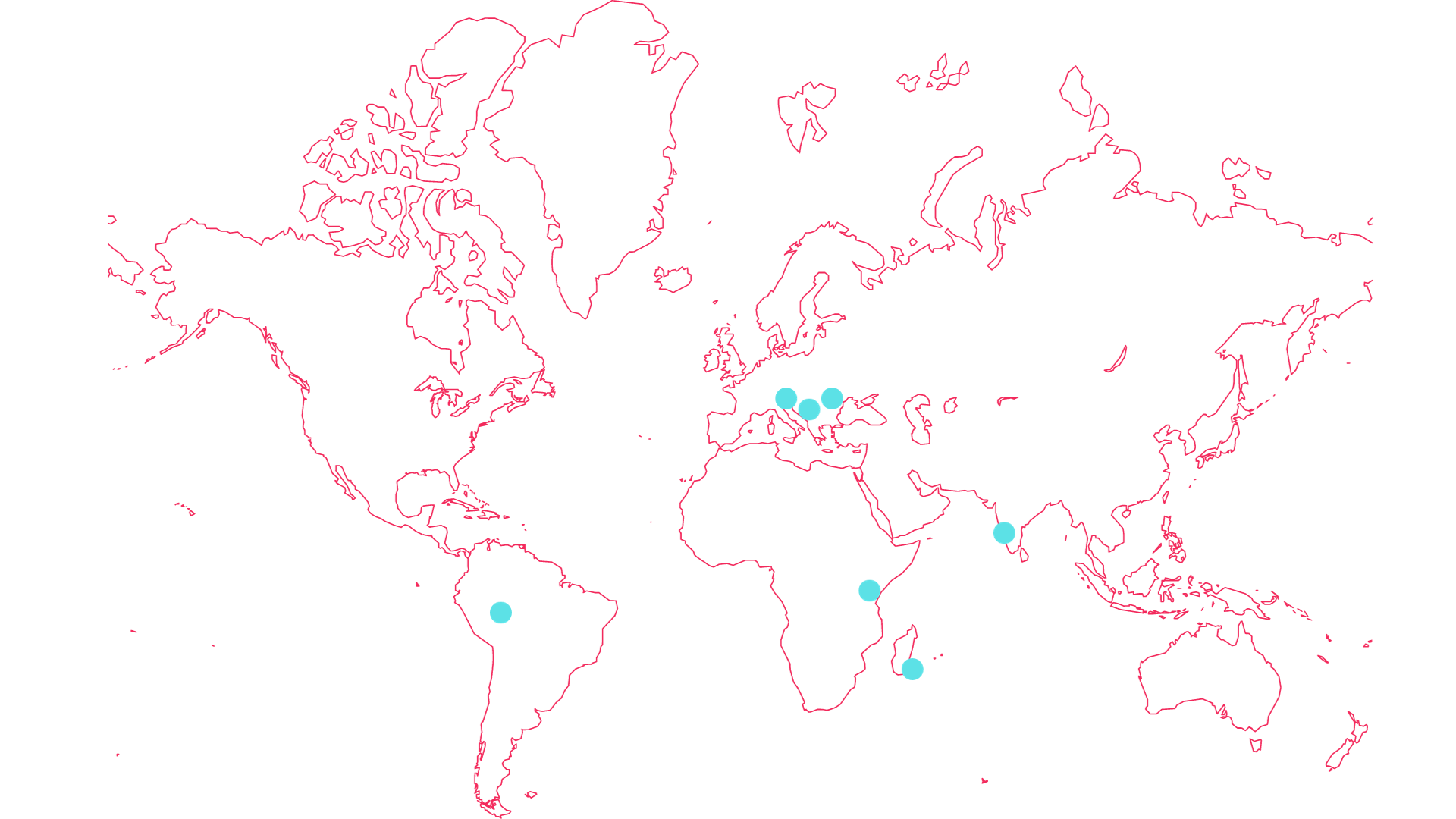
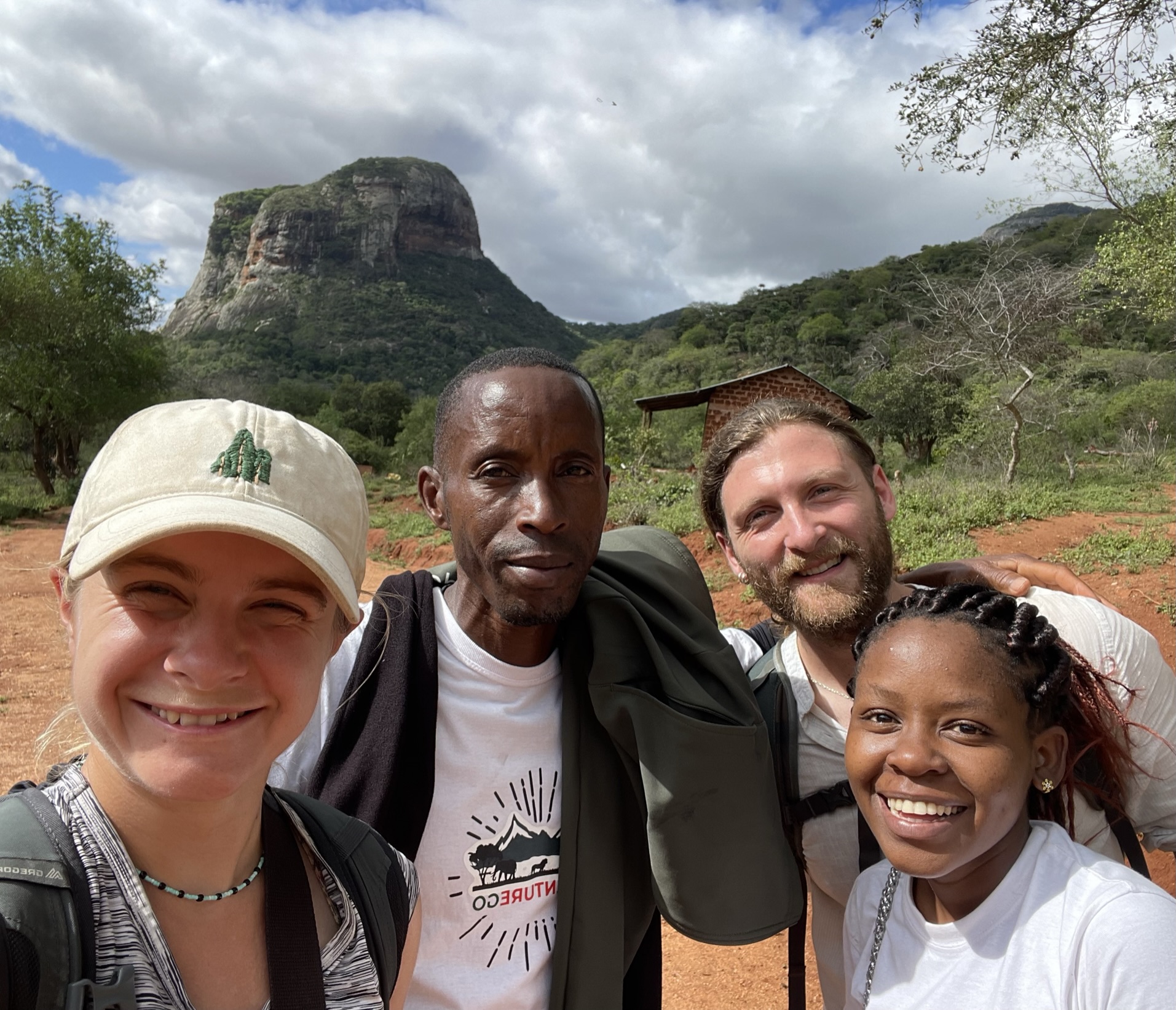
My “beeline” around the world was definitely wandering. I kicked off my travels in January 2023 by heading to Madagascar, where I volunteered with a conservation research program in the southeast for two months. From there, I headed to southwest India, where I spent a month living with a beekeeper and his family before then shadowing students taking a beekeeping course at a nearby forestry college for two weeks. After that, I hopped over to southeast Kenya where I spent two months interning with an organization focused on conserving elephants and fostering sustainable development using beekeeping. In July, I headed to Europe where I explored beekeeping in Austria and Slovenia for a couple of months before living with a beekeeper in central Romania for a few weeks . Next I interned at a field station in the Peruvian Amazon studying butterflies and got to work on my own project about wasp diversity. I finished off my year working with a family of beekeepers in northeast Costa Rica who rescue stingless bees from cut down trees.
Thank you!
I wanted to give a big thank you to all of the amazing people and organizations who made my travels during my Watson Fellowship possible. A huge thank you to Bryn Mawr College and the Thomas J. Watson Foundation for this opportunity; my friends and family back home for your love and support; the Sussex County Beekeepers’ Association, NJ Beekeepers’ Association, and FFA for fostering my love of beekeeping; SEED Madagascar, Save the Elephants (special shout out to Meha Kumar for her great shots of me while in Kenya), and the Alliance for a Sustainable Amazon for the opportunity to work with them; my hosts in India: Yash, Asha, Naren, Vishnu Moorthy, and the College of Forestry Ponnampet, for welcoming and teaching me so much; the Museum of Apiculture and the Beekeeping Center of Gorenjska in Slovenia for your support; Willi and family in Romania for hosting and sharing your knowledge with me; Carlos, Liz, and David of Api-Agricultura in Costa Rica for teaching me so much about stingless bees and the Pura Vida way of life; and all of the other amazing people who have encouraged me and kept me excited to be doing this along the way. I couldn’t have done it without you!